

Landmark-designated buildings in New York City face two regulatory frameworks that don't always agree. The Landmarks Preservation Commission (LPC) limits changes to exterior materials, window profiles, and features that define a building's historic character. At the same time, Local Law 97 (LL97) requires buildings over 25,000 square feet to meet escalating carbon emissions limits, with annual penalties meted out for non-compliance. For owners of landmarked properties, bringing a building into built environment sustainability compliance without triggering an LPC objection requires careful coordination from the start.
The tension isn't theoretical. Replacing single-pane windows with high-performance glazing, adding exterior insulation, or installing rooftop solar panels are standard pathways to emissions reduction. On a landmarked building, each upgrade may require LPC approval. However, the commission may reject alterations that can change the facade's visual character.
Where Preservation Rules and Energy Codes Collide
The Secretary of the Interior's Standards for Rehabilitation govern how historic buildings can be altered. These standards prioritize retaining original materials and features. They apply to any project seeking federal rehabilitation tax credits. In NYC, the LPC enforces similar principles for locally designated landmarks. Both frameworks treat the exterior as a defining element that shouldn't be compromised.
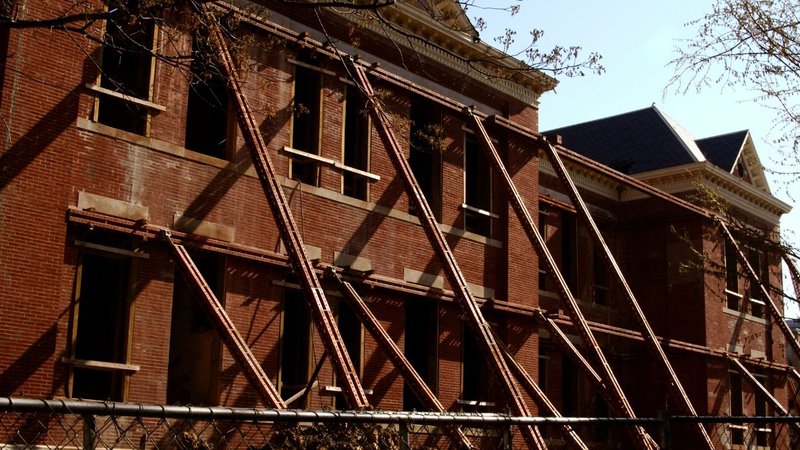
Meanwhile, LL97's emissions thresholds are indifferent to a building's historic status. Fines start at $268 per metric ton of CO2 above the cap. For a large commercial building, annual penalties can reach six figures. Owners unable to make envelope improvements due to landmark restrictions may need to pursue mechanical upgrades, energy audits, or operational changes instead.
For building owners who want to know more about preservation rules and energy codes, Milrose's LL97 webinar thoroughly discusses a comprehensive compliance approach. This includes alternative paths for properties with limited exterior flexibility.
Aligning Both Frameworks Before Filing
Projects that address built environment sustainability in landmark buildings benefit from engaging the LPC and the energy consultant at the same time. An energy code compliance review identifies which measures deliver the most emissions reduction. A parallel LPC pre-application meeting clarifies which exterior changes will likely get approval from the commission. Running both processes together narrows the viable interventions before design and budget commit to an approach that gets rejected on one side.
The National Trust for Historic Preservation has called attention to this policy gap nationally. Building Performance Standards rarely involve local preservation authorities in the accommodation process. In NYC, the building owner and consulting team have to fill that gap themselves.

When exterior changes aren't feasible, historic preservation teams focus on interior envelope upgrades, HVAC modernization, lighting retrofits, and building management system optimization. These interventions can produce significant emissions reductions without affecting the features the LPC wants preserved. For buildings with steam heating, upgrading to heat pumps or variable refrigerant flow (VRF) systems can lead to large reductions in emissions per dollar spent.
How Milrose Bridges Preservation and Environment Sustainability
The Milrose family of companies includes architects, engineers, and energy consultants within the same team. For landmark buildings facing LL97 deadlines, the team coordinates LPC applications, sustainability planning, and DOB filings under a single strategy. Milrose’s work on landmark properties, including the Flatiron Building, the New York Public Library, and 30 Rockefeller Plaza, reflects the experience our team brings to balancing preservation and modern compliance requirements.
If you want your landmark property to meet emissions targets without compromising its historic character, start with a combined preservation and energy assessment. Contact us to align both frameworks before your next compliance deadline.