

Availability:
- New & Existing Buildings
- NJ, NY, CT
Related services:
Progress & Special Inspections
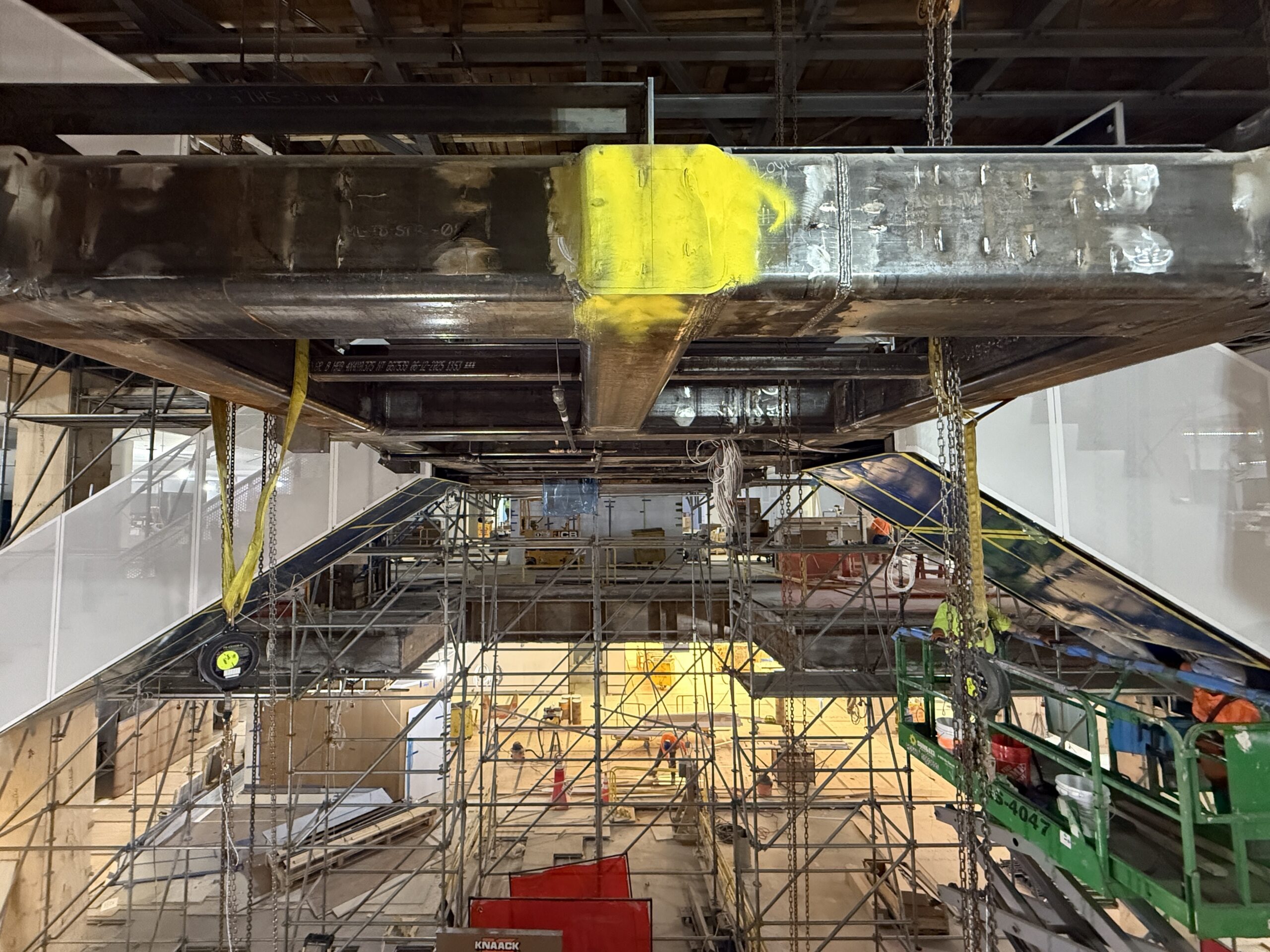
Progress and special inspections are the checkpoints where projects demonstrate that construction meets approved plans, code requirements, and regulatory standards. These reviews verify that critical systems, materials, and installations perform as intended, supporting compliance and project timelines.
Milrose’s Special Inspection team oversees the full inspection process from scope definition to final sign-offs. We coordinate structural, fireproofing, energy, and material testing requirements; align schedules across trades and disciplines and maintain clear communication with contractors, designers and local regulatory agencies. This unified oversight eliminates gaps, avoids conflicting inspections, and keeps certification activities running efficiently.
Availability:
- Existing building
- National Coverage



Keeping Inspection Cycles on Track
Comprehensive coordination prevents missed tests and documentation errors that can delay occupancy. With disciplined management, Milrose ensures inspection cycles support—rather than slow down—project delivery.
Still have questions about Progress & Special Inspections?
What are progress inspections in construction?
Progress inspections are check-ins during construction that confirm work matches the approved drawings and code requirements. Milrose schedules and coordinates these inspections so trades are ready and sign-offs are not delayed.
What are special inspections, and when are they required?
Special inspections are required inspections and tests for critical work, such as structural components, fireproofing, energy-related items, and materials testing. Milrose defines what’s required, coordinates third-party testing, and manages the paperwork needed for approval.
Who is responsible for scheduling special inspections on a construction site?
Scheduling is typically shared between the contractor and inspection team, and timing has to match the work in the field. Milrose coordinates across trades and inspectors so required inspections happen at the right time and do not hold up progress.
What happens if a required test or inspection is missed?
A missed inspection can mean opening up completed work, retesting, and reinspection, which can delay closeout and occupancy. Milrose tracks requirements and documentation to prevent gaps and keep inspections moving.
What inspections are needed to get a certificate of occupancy (CO)?
A certificate of occupancy typically requires completed permit inspections, required special inspections and tests, and final sign-offs with supporting closeout documents. Milrose tracks inspection status and manages records so CO approvals are ready when you need them.
How can Milrose help with progress and special inspections?
Milrose defines required progress and special inspections, coordinates third-party testers and inspectors, and tracks results and documentation. We time inspections to field work so nothing is missed, rework is minimized, and certificate of occupancy approvals stay on track.