See how our strategic partnerships and acquisitions strengthen our building lifecycle services and ensure seamless project execution from planning through occupancy.
Complete Building Lifecycle Support for Assembly & Cultural Facilities
Museums, theaters, houses of worship, and community gathering spaces serve vital cultural and spiritual roles while creating unique code challenges. Large assembly occupancies, historic building preservation, acoustic requirements, and specialized building systems demand expertise beyond typical commercial construction. Milrose Consultants provides the specialized knowledge to navigate assembly occupancy codes, historic preservation requirements, and accessibility mandates that cultural and religious institutions face.
Cultural & Religious Building Project Types
Museums & Exhibition Spaces Museums combine public assembly areas with artifact storage, conservation labs, and specialized environmental controls. Code requirements must balance public safety with preservation needs and unique display environments.
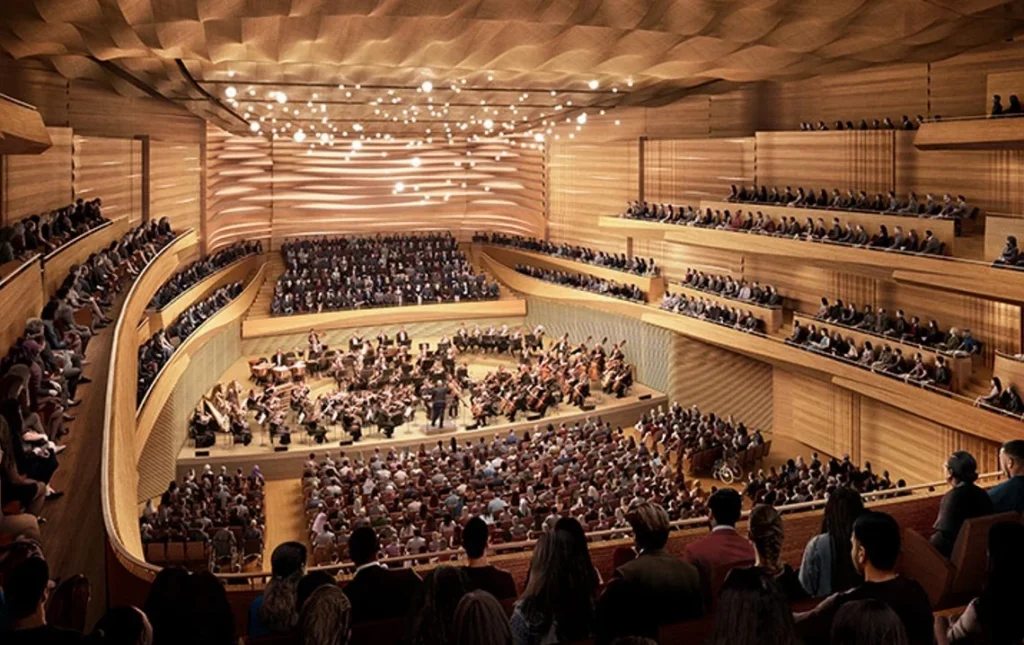
Performing Arts Facilities Theaters, concert halls, and performance venues require specialized understanding of assembly occupancy, theatrical systems, stage areas, and the acoustic separation these buildings demand.
Houses of Worship Religious facilities combine assembly occupancies with education spaces, administrative areas, and sometimes residential uses for clergy. We navigate the code requirements these multi-function buildings create.
Community Centers & Meeting Halls Civic gathering spaces serve diverse functions from public meetings to social events, requiring flexible spaces that meet assembly occupancy requirements.
Historic Theaters & Performance Venues Renovating historic cultural facilities requires balancing preservation with modern code requirements for accessibility, life safety, and building systems.
Exhibition & Convention Centers Large-scale public gathering facilities face unique challenges related to crowd movement, multiple simultaneous events, and extensive building areas.
Assembly Occupancy Requirements
Occupant Load Calculations Assembly spaces require careful occupant load calculations based on use, seating arrangements, and space configurations. These calculations drive egress capacity, plumbing fixtures, and numerous other code provisions.
Means of Egress Design Assembly occupancies have stringent egress requirements including multiple exits, travel distances, door swing directions, and panic hardware. We verify compliant egress systems that support safe evacuation during emergencies.
Seating & Fixed Furnishings Assembly seating must meet requirements for aisle widths, row spacing, continental seating, and accessibility. We coordinate seating layouts with code provisions.
Stage & Performance Areas Stages, platforms, and performance spaces have specialized requirements including proscenium openings, fire curtains, rigging systems, and separation from audience areas.
Public Assembly Fire Protection Assembly occupancies require comprehensive fire alarm systems and often automatic sprinkler protection. We coordinate fire protection design with architectural and theatrical systems.
Artifact Protection & Climate Control Museums housing valuable collections require specialized environmental controls. While climate control is primarily an operational concern, HVAC systems must meet building code requirements while supporting collection needs.
Loading Docks & Artifact Handling Cultural institutions require specialized loading facilities for receiving artwork, exhibitions, and large artifacts. We address code requirements for these functional spaces.
Exhibition Lighting & Electrical Museum lighting requires specialized electrical systems supporting varied lighting needs while meeting electrical code requirements.
Storage & Collection Areas Museum storage faces requirements for fire protection, environmental separation, and sometimes high-pile storage provisions for extensive collections.
Religious Facility Requirements
Main Assembly Spaces Worship spaces function as assembly occupancies with requirements for occupant load, egress, and accessibility. We help religious institutions balance liturgical needs with code requirements.
Education & Fellowship Areas Religious facilities often include classrooms, meeting rooms, and fellowship halls, each with specific occupancy requirements. We address the multiple functions these buildings serve.
Residential Quarters Some religious facilities include housing for clergy or religious communities. We coordinate residential building requirements with assembly and educational uses.
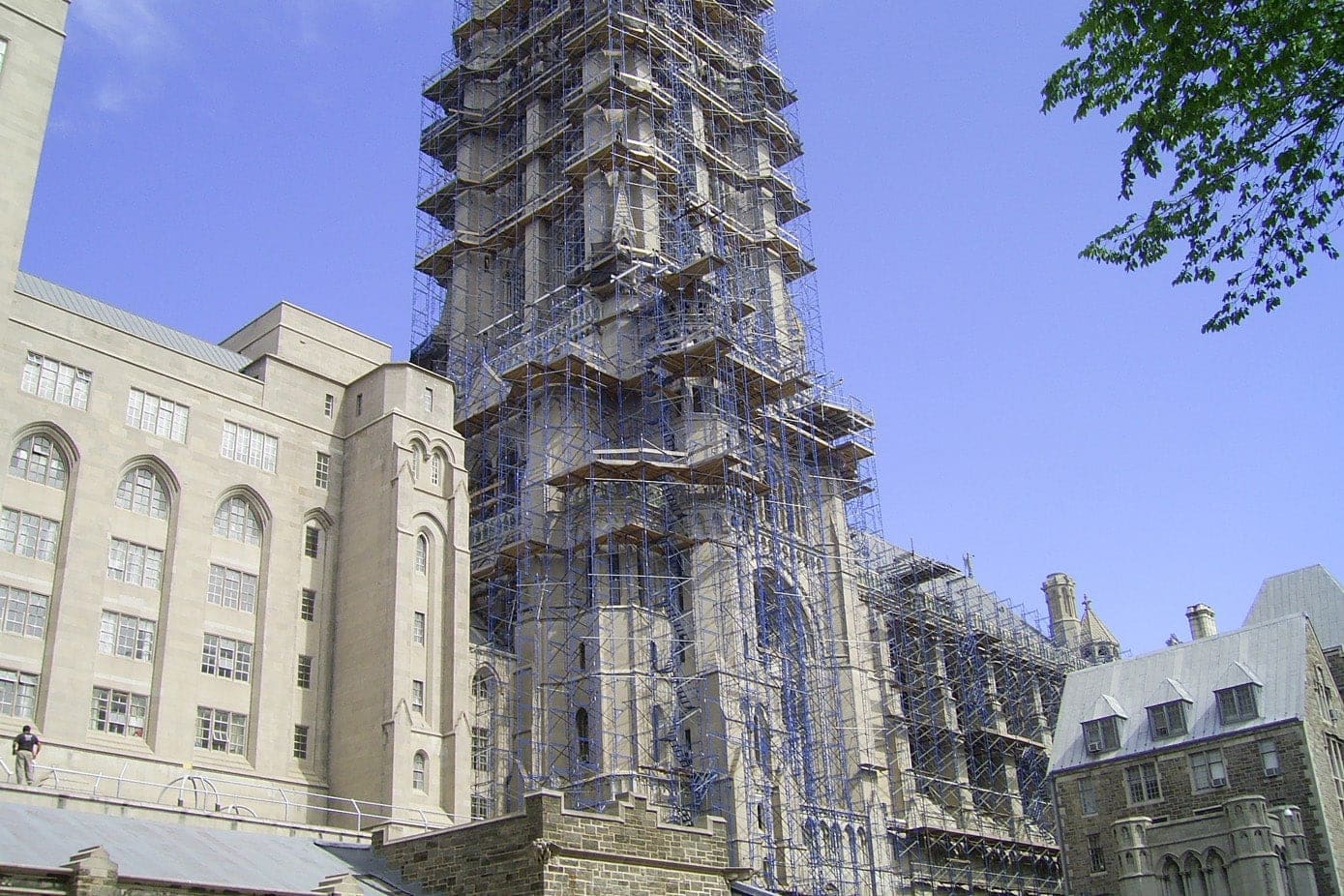
Historic Religious Buildings Many houses of worship occupy historic buildings requiring sensitive approaches to code requirements and preservation. We develop strategies using available code provisions for historic buildings.
Accessibility in Assembly Facilities
Assembly Seating Accessibility Assembly spaces must provide accessible seating distributed throughout the venue, with companion seating, lines of sight, and access to amenities. We verify comprehensive accessibility in assembly environments.
Performance Area Accessibility Stages and performance areas must be accessible to performers with disabilities. We address accessible routes to stages, dressing rooms, and technical areas.
Assistive Listening Systems Large assembly spaces require assistive listening systems for individuals with hearing impairments. We coordinate these systems with audio visual design.
Historic Building Accessibility Accessibility improvements in historic cultural facilities require balancing preservation with accessibility mandates. We help teams navigate these complex requirements.
Theatrical & Performance Systems
Rigging & Overhead Systems Theater rigging for scenery, lighting, and curtains must meet structural and safety requirements. We coordinate code requirements for theatrical systems.
Stage Machinery & Lifts Mechanical stage equipment including lifts, turntables, and scene-changing machinery require specialized safety features and coordination with building structure.
Production Lighting & Power Theatrical lighting systems require substantial electrical capacity and specialized distribution. We verify electrical systems meet code while supporting production needs.
Sound Systems & Acoustics While acoustic performance is primarily a design consideration, sound systems must meet electrical code requirements and coordinate with fire alarm systems.
Common Challenges in Cultural Construction
Balancing Public Access with Security Cultural institutions must welcome the public while protecting valuable collections. We help balance accessibility requirements with operational security needs.
Flexible Space Requirements Cultural facilities benefit from adaptable spaces supporting varying uses. We develop code solutions that allow flexibility while maintaining safety.
Historic Preservation Many cultural institutions occupy historic buildings with preservation restrictions. We navigate code requirements using alternative methods appropriate for historic structures.
Funding & Phased Development Cultural projects often develop in phases as funding becomes available. We coordinate permitting strategies supporting phased construction.
Fire Protection in Cultural Facilities
Fire Suppression System Design Cultural facilities require carefully designed fire protection that protects buildings and collections while avoiding water damage to artifacts. We coordinate sprinkler design considering these concerns.
Fire Alarm & Detection Early detection is crucial in cultural facilities. We verify comprehensive fire alarm systems with appropriate detection types for different areas.
Fire-Resistance Rated Construction Museums and performance venues often require fire-rated construction separating spaces based on occupancy type and use. We coordinate fire-rated assemblies with architectural design.
Smoke Control Systems Large volume spaces including theaters and museum atriums may require smoke control systems. We coordinate these complex systems with architectural design.
Code Requirements in Historic Buildings Historic cultural facilities face unique challenges achieving modern code standards. We use available provisions for existing buildings and coordinate variance applications when necessary.
Seismic Upgrades Historic cultural facilities in seismic zones may require structural upgrades. We help teams balance preservation with structural safety requirements.
Systems Integration Adding modern HVAC, fire protection, and accessibility features to historic buildings requires careful integration. We coordinate new systems with historic fabric.
Lincoln Center, New York Public Library & Cultural Projects Nationwide
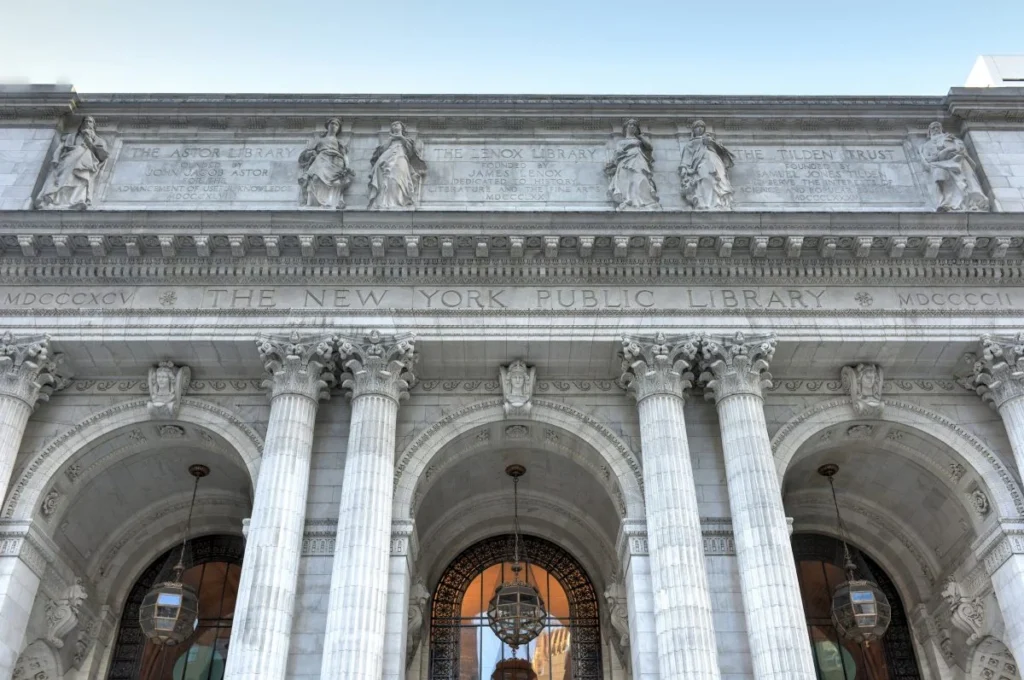
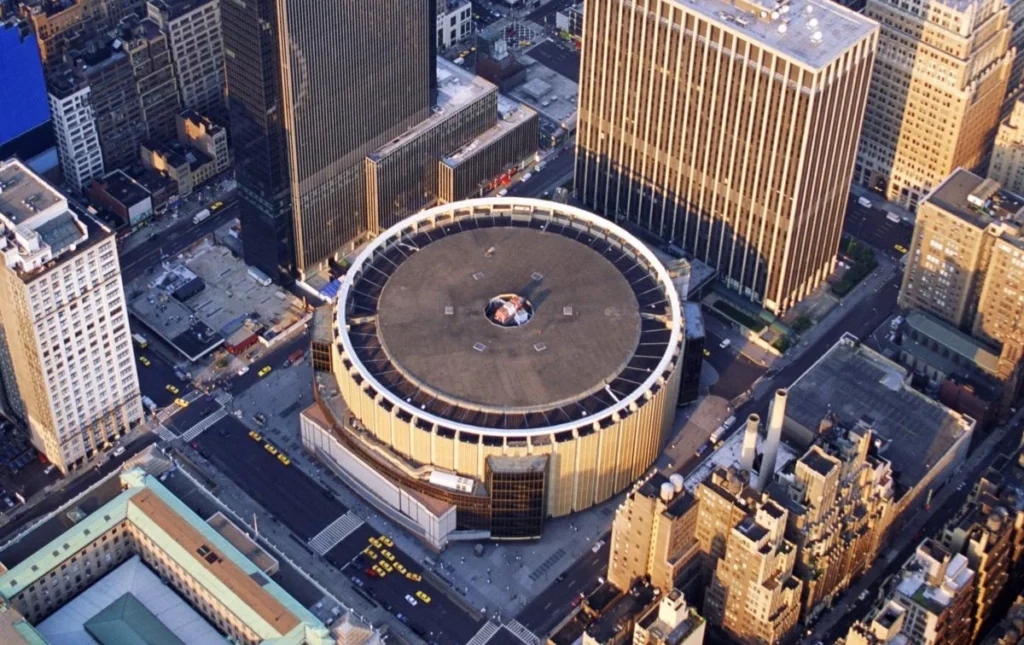
Milrose has supported cultural projects including Lincoln Center’s David Geffen Hall, New York Public Library renovations, Madison Square Garden, and numerous religious facilities and cultural institutions. This experience provides insights into the unique challenges these buildings face.
Code Updates & Best Practices for Cultural Facilities
Cultural institution administrators, preservation specialists, and design teams working on assembly and cultural facilities benefit from understanding how building codes affect these specialized buildings. Our resource library provides guidance on relevant topics.
Cultural and religious facilities require specialized code expertise that balances safety with the unique character and function of these important community spaces. Contact our specialists to discuss your project and develop a strategy that honors your institution’s mission while protecting public safety.
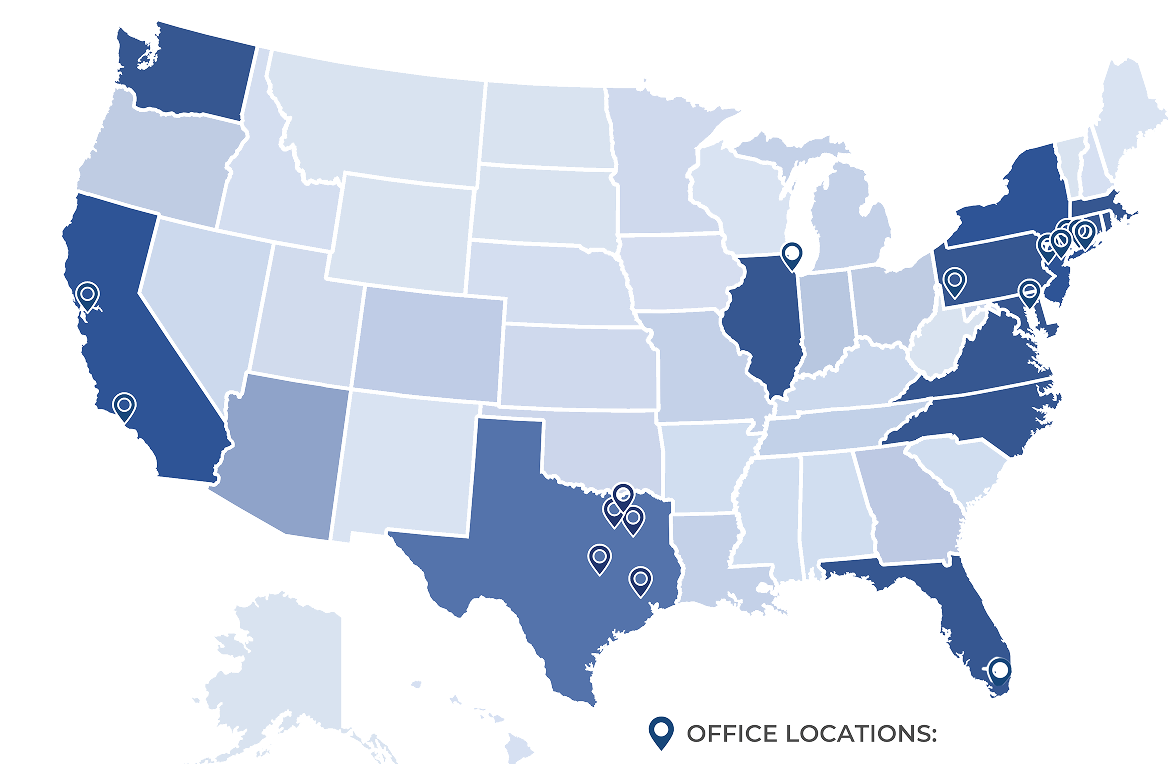
Milrose is the integration of leading service providers like CSI into one nationwide firm. Our clients benefit from combined expertise, streamlined services, and expanded capabilities under a single trusted name.
Milrose is the integration of leading service providers like Borne Consulting into one nationwide firm. Our clients benefit from combined expertise, streamlined services, and expanded capabilities under a single trusted name.
Milrose is the integration of leading service providers like ARC into one nationwide firm. Our clients benefit from combined expertise, streamlined services, and expanded capabilities under a single trusted name.
Milrose is the integration of leading service providers like Surface Design into one nationwide firm. Our clients benefit from combined expertise, streamlined services, and expanded capabilities under a single trusted name.
Milrose is the integration of leading service providers like JMZoning into one nationwide firm. Our clients benefit from combined expertise, streamlined services, and expanded capabilities under a single trusted name.
Milrose is the integration of leading service providers like Permit Advisors into one nationwide firm. Our clients benefit from combined expertise, streamlined services, and expanded capabilities under a single trusted name.
Milrose is the integration of leading service providers like HLZAE into one nationwide firm. Our clients benefit from combined expertise, streamlined services, and expanded capabilities under a single trusted name.