See how our strategic partnerships and acquisitions strengthen our building lifecycle services and ensure seamless project execution from planning through occupancy.
Complete Building Lifecycle Support for Education Construction
Educational facilities serve our most vulnerable populations while providing spaces for learning, research, and community engagement. Schools, colleges, and universities face specialized building code requirements designed to protect students and staff while supporting diverse educational programs. Milrose Consultants brings the education sector expertise to navigate educational occupancy codes, coordinate state education department reviews, and maintain operations during school renovations.
K-12 Schools & Classrooms Elementary and secondary schools face specific requirements for educational occupancies including classroom egress, assembly spaces, laboratories, and the specialized environments that support modern learning.
University Buildings & Campus Development Higher education facilities combine classroom instruction with research, housing, dining, recreation, and specialized academic programs. Our team navigates the complex code requirements these mixed-use campus buildings create.
Research Facilities & Laboratories Academic research buildings house everything from wet chemistry labs to nanofabrication cleanrooms, each with specialized ventilation, safety, and hazardous material requirements.
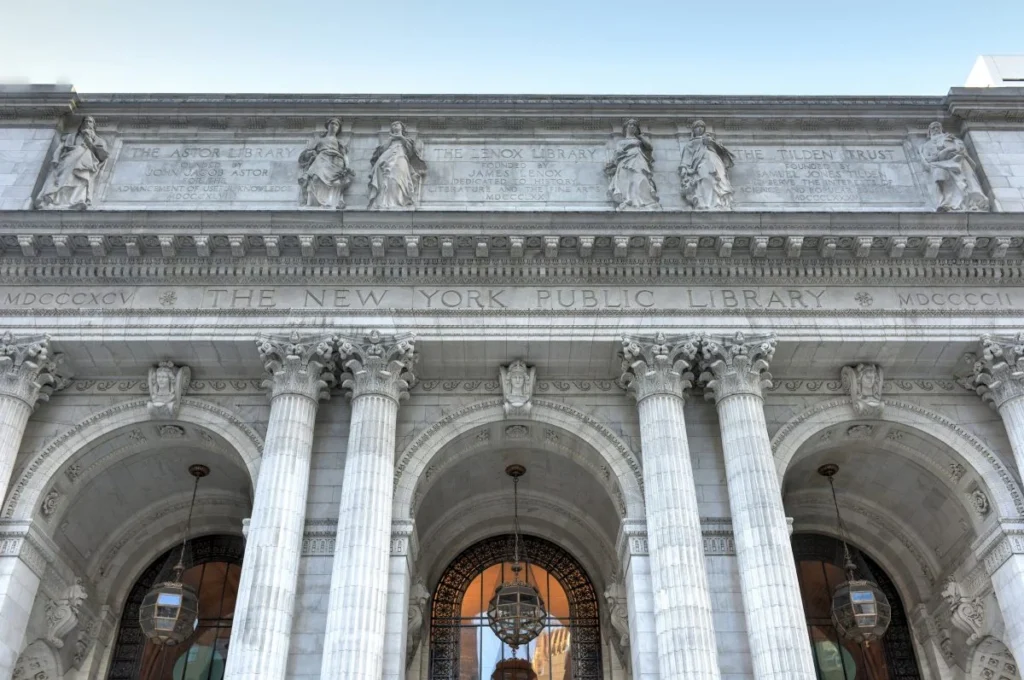
Libraries & Learning Commons Modern library design combines traditional collections with technology spaces, group study areas, and assembly functions. We address the occupancy and egress challenges these multi-function spaces create.
Performing Arts Centers & Auditoriums Educational assembly spaces require specialized understanding of assembly occupancy requirements, theatrical systems, and acoustic separation from adjacent academic uses.
Athletic Facilities & Recreation Centers Campus recreation buildings combine assembly occupancies, locker rooms, pool facilities, and specialized athletic spaces, each with distinct code requirements.
Student Housing & Dormitories Residential facilities serving student populations must address both residential building codes and specialized requirements for student housing environments.
Building Code Requirements for Educational Occupancies
Educational Occupancy Classification Educational spaces (Group E) face specific requirements for classroom design, egress, and life safety systems. Accurate classification of spaces as educational versus other occupancies drives numerous code provisions.
Classroom Egress & Capacity Classrooms must provide adequate egress capacity based on occupant loads calculated using educational occupancy factors. We review classroom layouts for travel distances, door widths, and corridor requirements.
Separation from Other Uses Educational buildings often combine classrooms with assembly spaces, laboratories, residential uses, or other occupancy types. We verify proper fire separation and life safety provisions between different uses.
Lockdown & Security Considerations While primarily operational decisions, security features including classroom locks and access control can impact code requirements for egress and life safety. We help balance security needs with code-required egress provisions.
Playground & Outdoor Learning Spaces Educational sites include outdoor play areas and learning environments. While accessibility and safety surfacing fall under different standards, we help teams coordinate these site elements with building approvals.
Code Requirements for Laboratories, Maker Spaces & Assembly Areas
Science Laboratories
Educational laboratories require specialized ventilation, chemical storage, emergency eyewash and shower equipment, and utility systems. We verify code requirements for these high-hazard educational spaces.
Maker Spaces & Technical Labs
Modern educational programs include fabrication labs, computer labs, and technical spaces with specialized equipment and ventilation needs. Our team addresses code requirements for these evolving educational environments.
Food Service & Cafeterias
School dining facilities must meet both educational building codes and health department requirements for commercial kitchens, serving areas, and dining spaces.
Assembly & Multi-Purpose Spaces
Gymnasiums, auditoriums, and multi-purpose rooms combine assembly occupancies with educational uses. We navigate the code requirements these flexible spaces create.
Early Childhood & Daycare Facilities
Facilities serving young children face additional requirements for toilet room fixtures, furniture sizing, outdoor play areas, and sometimes state licensing standards beyond building codes.
Public School Approvals Public school construction often involves state education departments, school building authorities, and specialized review processes beyond standard building permits. We coordinate these multi-agency approvals.
Higher Education Permitting University projects may benefit from expedited review processes, state building code variations for higher education, or coordination with campus planning offices. Our team navigates these specialized procedures.
Historic Campus Buildings Many educational institutions occupy historic buildings requiring preservation considerations alongside code requirements. We develop strategies that balance preservation with necessary safety improvements.
Phased Campus Development Large campus projects often proceed in phases over multiple years. We develop permitting strategies that support phased construction while maintaining approvals for future phases.
Budget Constraints, Summer Deadlines & Occupied Building Renovations
Budget & Funding Cycles Educational construction operates within constrained budgets and funding cycles. We help teams identify cost-effective solutions and coordinate permitting with funding availability.
Summer Construction Windows Many school projects must complete work during summer breaks to avoid disrupting academic programs. We provide expedited permitting services that align with these compressed schedules.
Occupied Building Renovations Renovating schools while maintaining educational operations requires careful phasing, temporary life safety measures, and coordination with school administration. Our team develops compliant phasing strategies.
Changing Educational Programs Educational facilities must adapt to evolving teaching methods, technology integration, and program needs. We help teams understand how programmatic changes trigger code requirements.
Accessibility in Educational Facilities
ADA Requirements for Schools Educational facilities must meet comprehensive accessibility requirements covering routes throughout buildings, classroom features, specialized educational spaces, and recreational facilities.
Accessible Play Areas Playground accessibility standards require accessible routes, transfer systems, and ground-level play components. We help teams coordinate playground accessibility with site approvals.
Sports Facility Accessibility Athletic facilities must provide accessible routes, seating areas, locker rooms, and sometimes accessible play opportunities. We address these specialized accessibility provisions.
Technology & Equipment Access Modern educational technology requires accessible workstations, equipment placement, and space design. We verify accessibility extends to all aspects of the educational environment.
Fire Alarm Systems, Sprinklers & Emergency Egress Requirements For Educational Institutions
Fire Alarm & Detection Systems Educational facilities require comprehensive fire alarm systems with specifications that support timely evacuation of students and staff. We coordinate alarm system design with building occupancy and layout.
Sprinkler Protection Building codes increasingly require automatic sprinklers in educational facilities. We help teams navigate sprinkler requirements and coordinate system design with architectural layouts.
Emergency Egress & Drills Educational facilities must support rapid evacuation during emergencies. Our egress analysis verifies code-compliant systems that facilitate emergency procedures and drills.
Hazardous Material Storage Science programs require storage of chemicals and other hazardous materials. We address code requirements for hazardous material rooms, ventilation, and safety features.
Energy Code Standards, LEED Certification & Ventilation Standards for Schools
Energy Code Standards Educational facilities must meet energy efficiency standards while providing appropriate ventilation and lighting for learning environments. We coordinate energy code requirements with educational space needs.
High-Performance School Design Many educational institutions pursue high-performance building standards or green building certifications. We coordinate code requirements with sustainability goals.
Indoor Environmental Quality Educational facilities benefit from enhanced indoor air quality, daylighting, and acoustic performance. We help teams understand how these performance goals intersect with code requirements.
Columbia University, The New School & Educational Projects Across All Levels
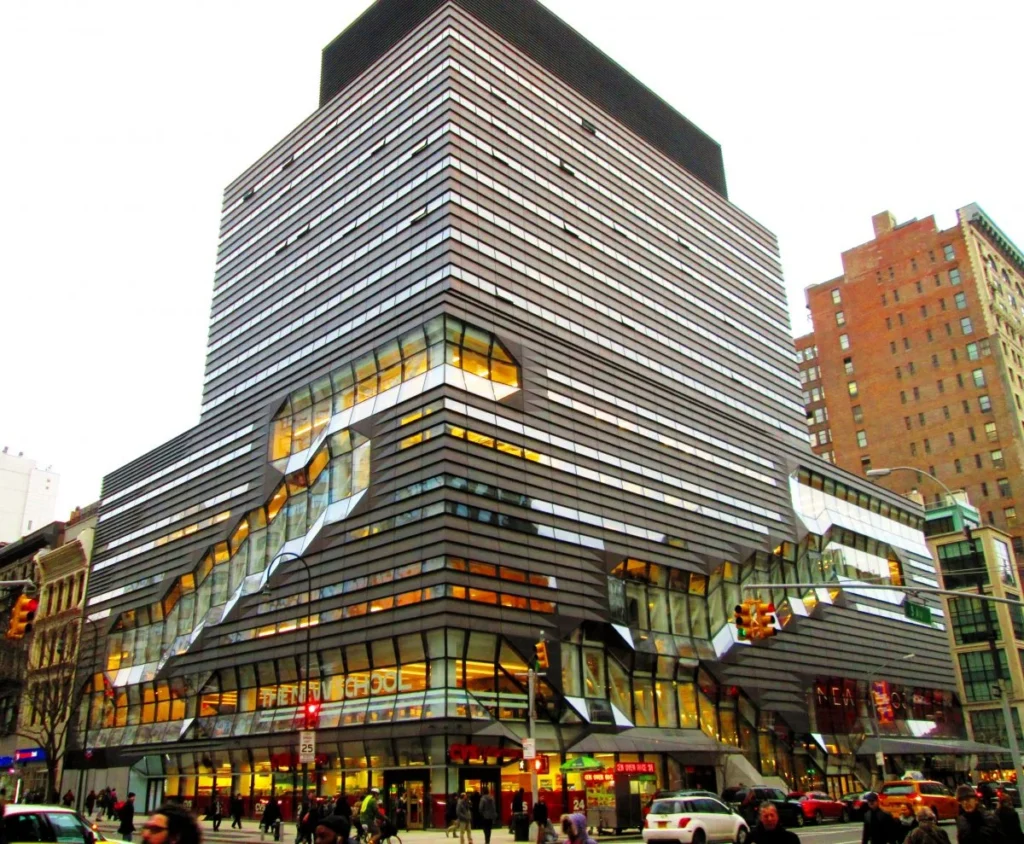
Milrose has supported educational projects including Columbia University facilities, The New School campus developments, and numerous K-12 schools. This experience provides insights into the specific challenges educational construction faces across all education levels.
Code Changes & Best Practices for Educational Construction
Educational facility planners, administrators, and design teams benefit from understanding how building codes affect educational environments. Our resource library provides guidance on topics relevant to school construction and campus development.
Educational facility construction requires specialized code expertise from planning through occupancy. From building new schools to renovating historic campus buildings or developing specialized educational spaces, contact our education facility specialists to discuss your project and develop a strategy that supports your educational mission.
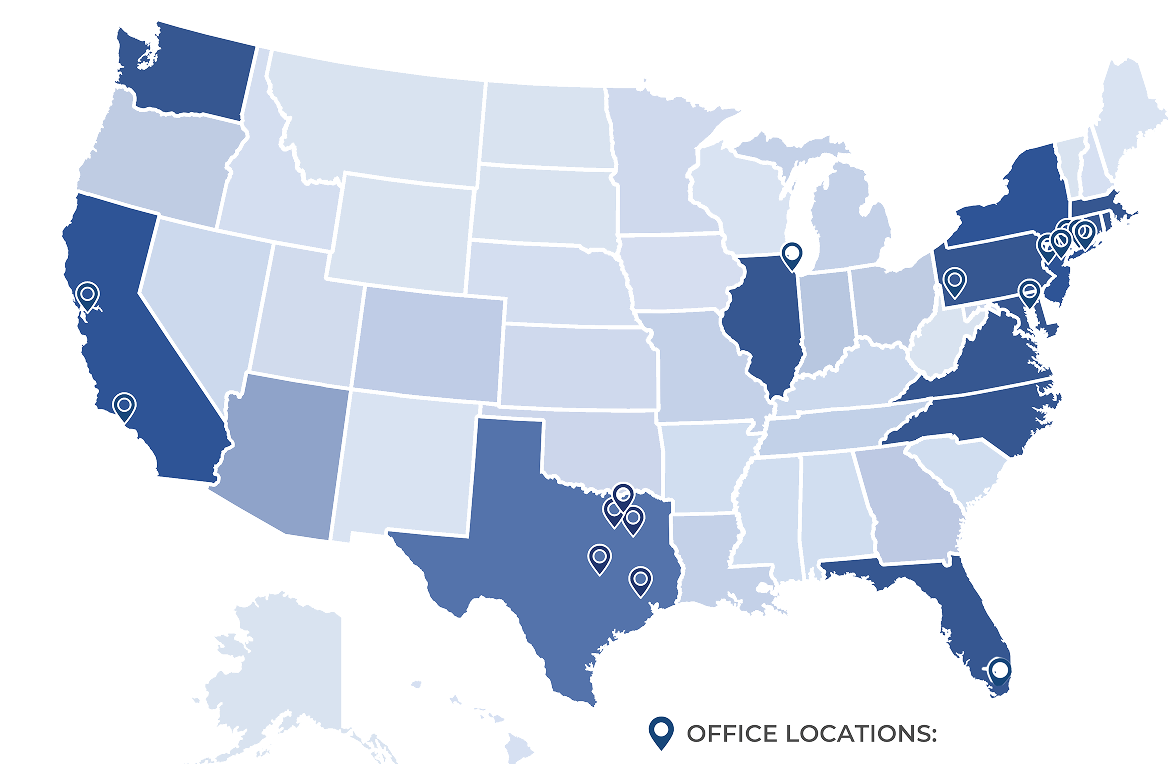
Milrose is the integration of leading service providers like CSI into one nationwide firm. Our clients benefit from combined expertise, streamlined services, and expanded capabilities under a single trusted name.
Milrose is the integration of leading service providers like Borne Consulting into one nationwide firm. Our clients benefit from combined expertise, streamlined services, and expanded capabilities under a single trusted name.
Milrose is the integration of leading service providers like ARC into one nationwide firm. Our clients benefit from combined expertise, streamlined services, and expanded capabilities under a single trusted name.
Milrose is the integration of leading service providers like Surface Design into one nationwide firm. Our clients benefit from combined expertise, streamlined services, and expanded capabilities under a single trusted name.
Milrose is the integration of leading service providers like JMZoning into one nationwide firm. Our clients benefit from combined expertise, streamlined services, and expanded capabilities under a single trusted name.
Milrose is the integration of leading service providers like Permit Advisors into one nationwide firm. Our clients benefit from combined expertise, streamlined services, and expanded capabilities under a single trusted name.
Milrose is the integration of leading service providers like HLZAE into one nationwide firm. Our clients benefit from combined expertise, streamlined services, and expanded capabilities under a single trusted name.