


Availability:
- Existing building
- National Coverage
Related services:
Energy Audits
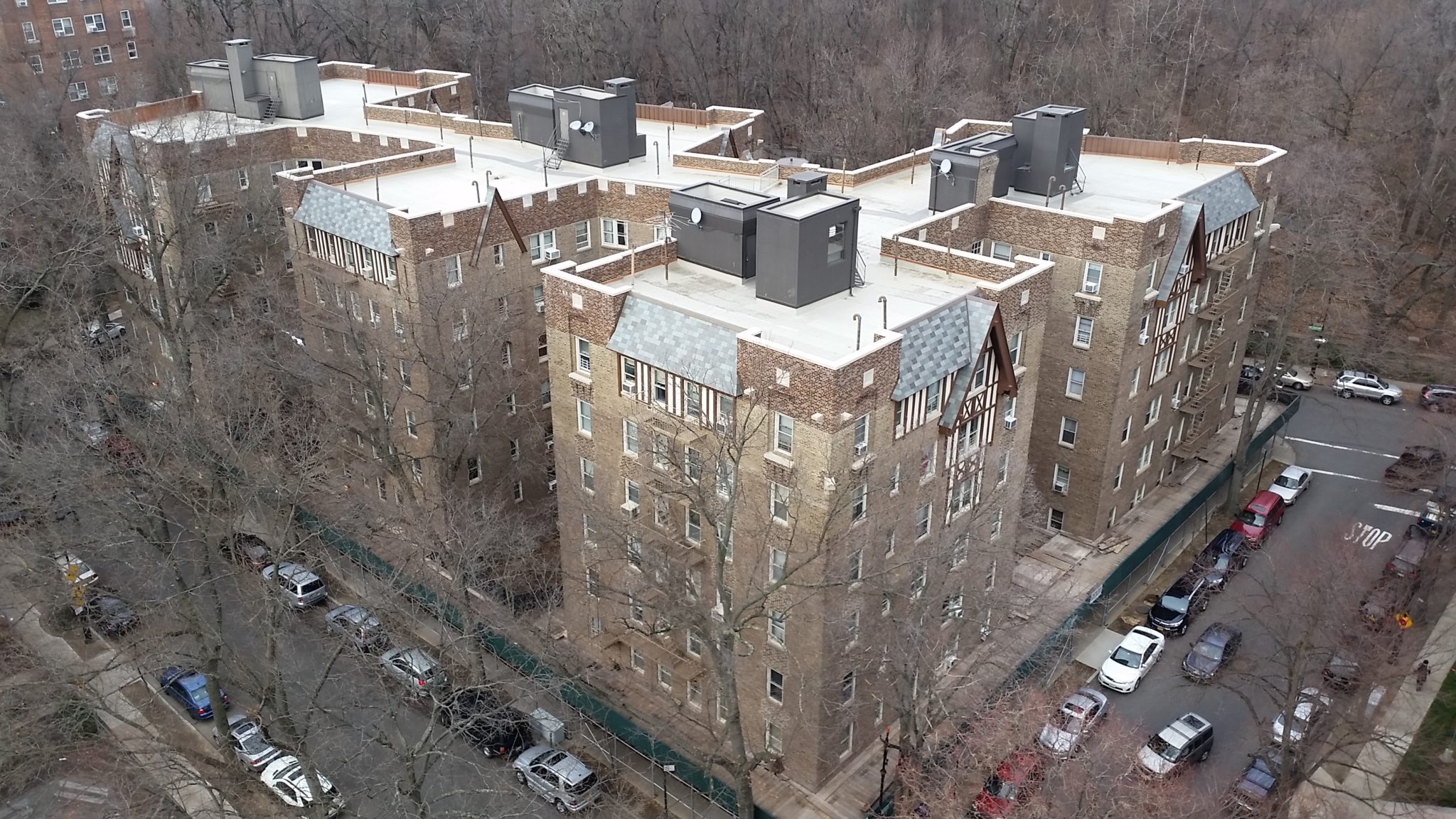
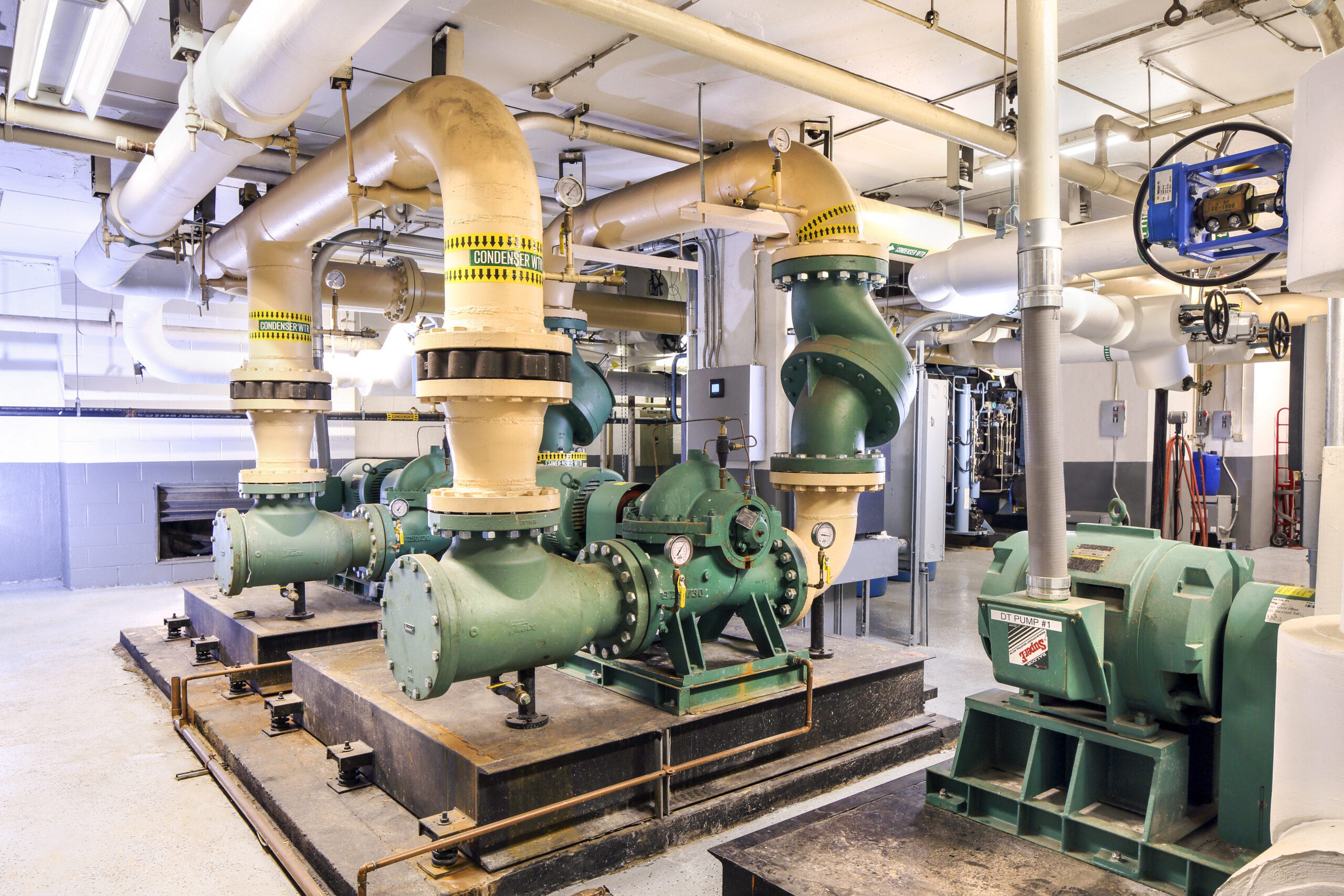
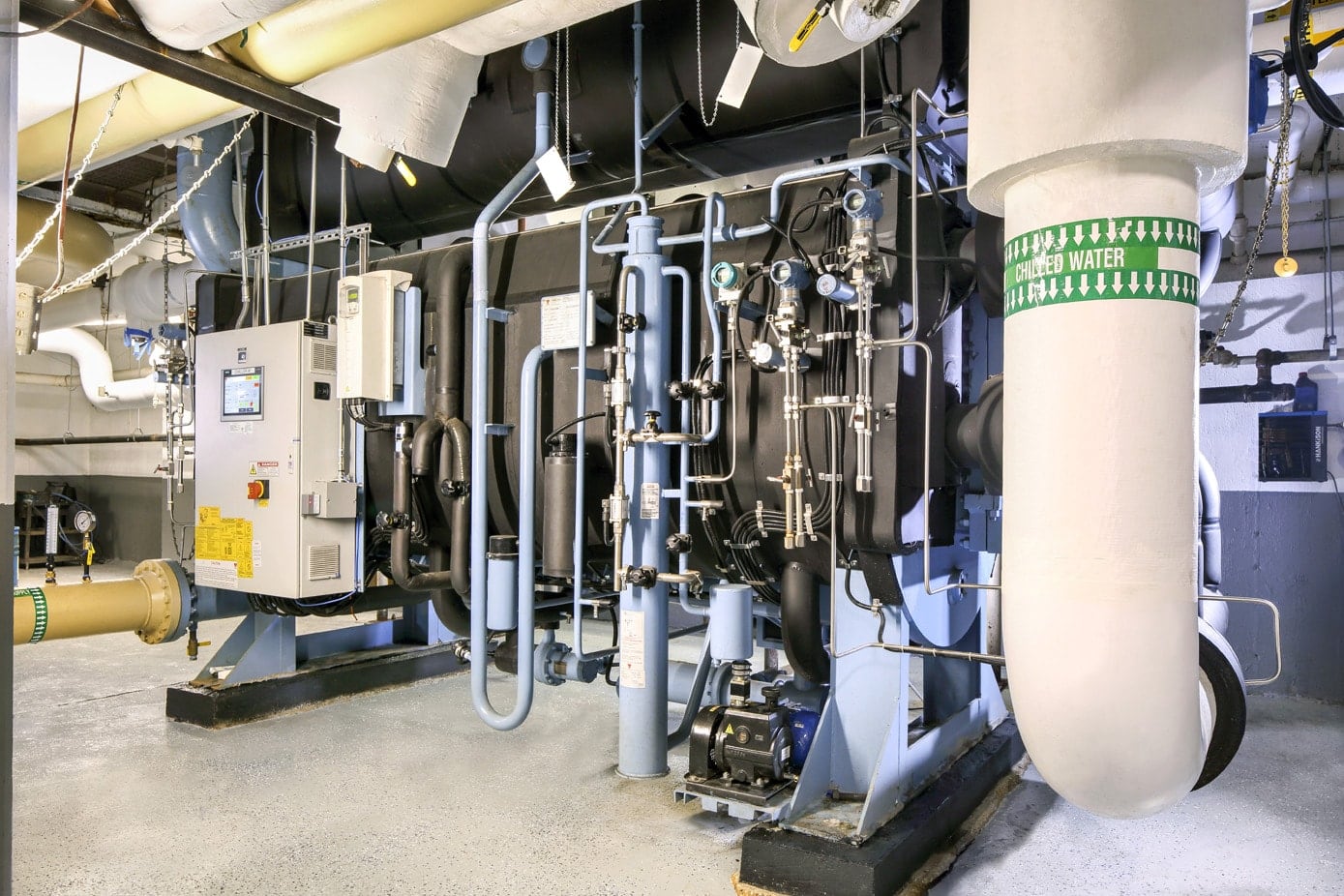
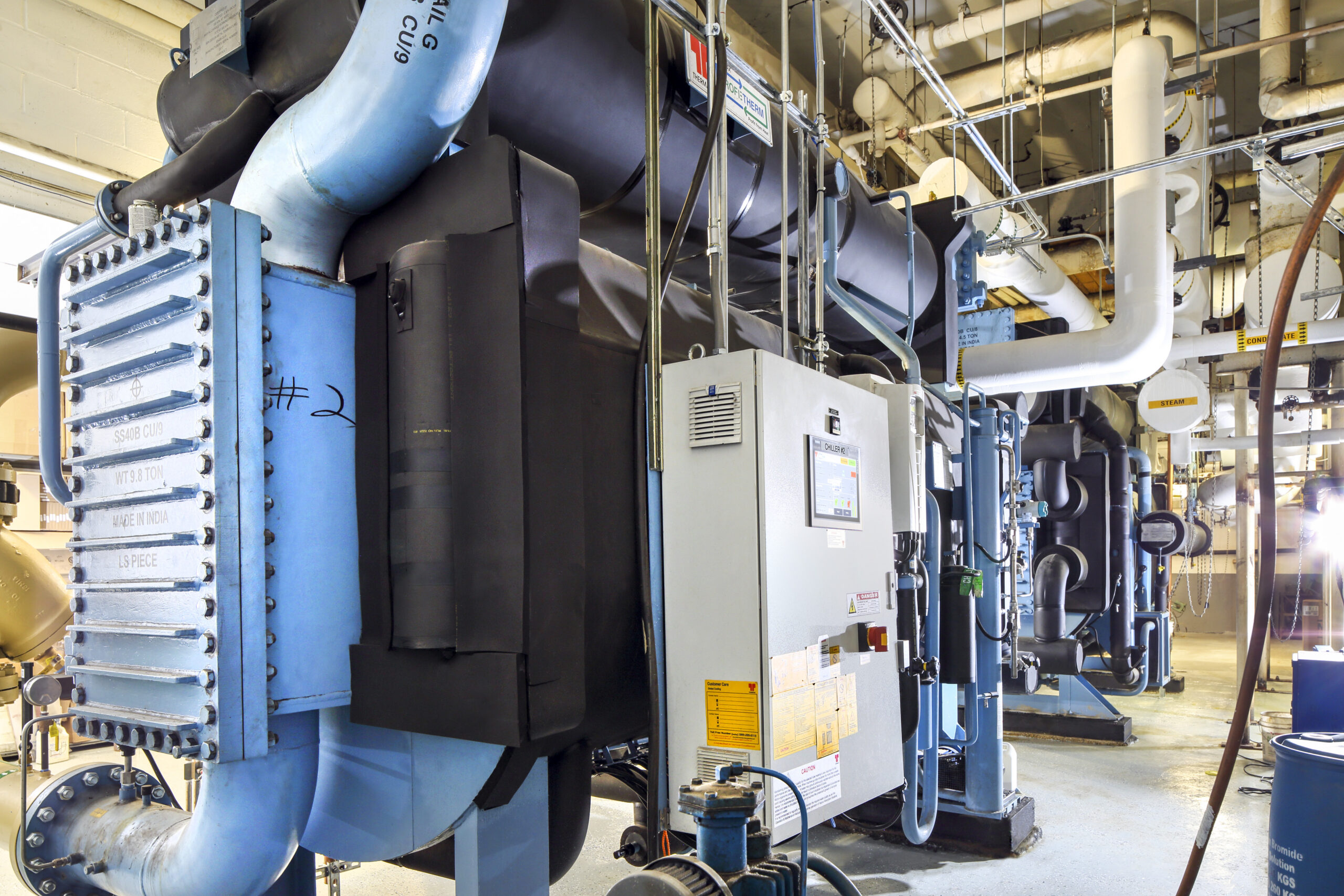
HLZAE provides an in-depth energy analysis of the buildings systems and identifies all applicable energy conservation measures. During the energy audit, our energy professionals with the necessary energy auditing and retro commissioning credentials issued by the Association of Energy Engineers (AEE) detail the building’s energy usage while identifying the systems responsible for the usage such as lighting, heating, air conditioning, etc. Once identified, we propose ways to reduce the building’s energy usage as well as perform all the necessary calculations to delineate the energy savings associated with each energy conservation measures including a life cycle cost analysis.
Next, HLZAE will review all available City, State and/or Federal programs/incentives that may be available to assist in financing each of the energy conservation upgrades that have been identified. HLZAE will then prepare the necessary Energy Audit report in compliance with NYC Local Law 87 requirements and file the report with the NYC Department of Buildings prior to the deadline.
Local Law 87 (LL87) requires buildings larger than 50,000 square feet, or two or more buildings that together exceed 100,000 square feet and share a tax lot, to submit an Energy Efficiency Report (EER) and Retro commissioning report (RCx) every 10 years. Failure to submit these reports by the due date specified face $3000 for the first year and $5000 in subsequent years should you fail to honor the deadlines.
Owners must submit their EER to the City by December 31 of the year they are due, once every ten years. For example, if the last digit to the tax block number ends in a 4, filing is required in 2014, 2024, 2034, etc.
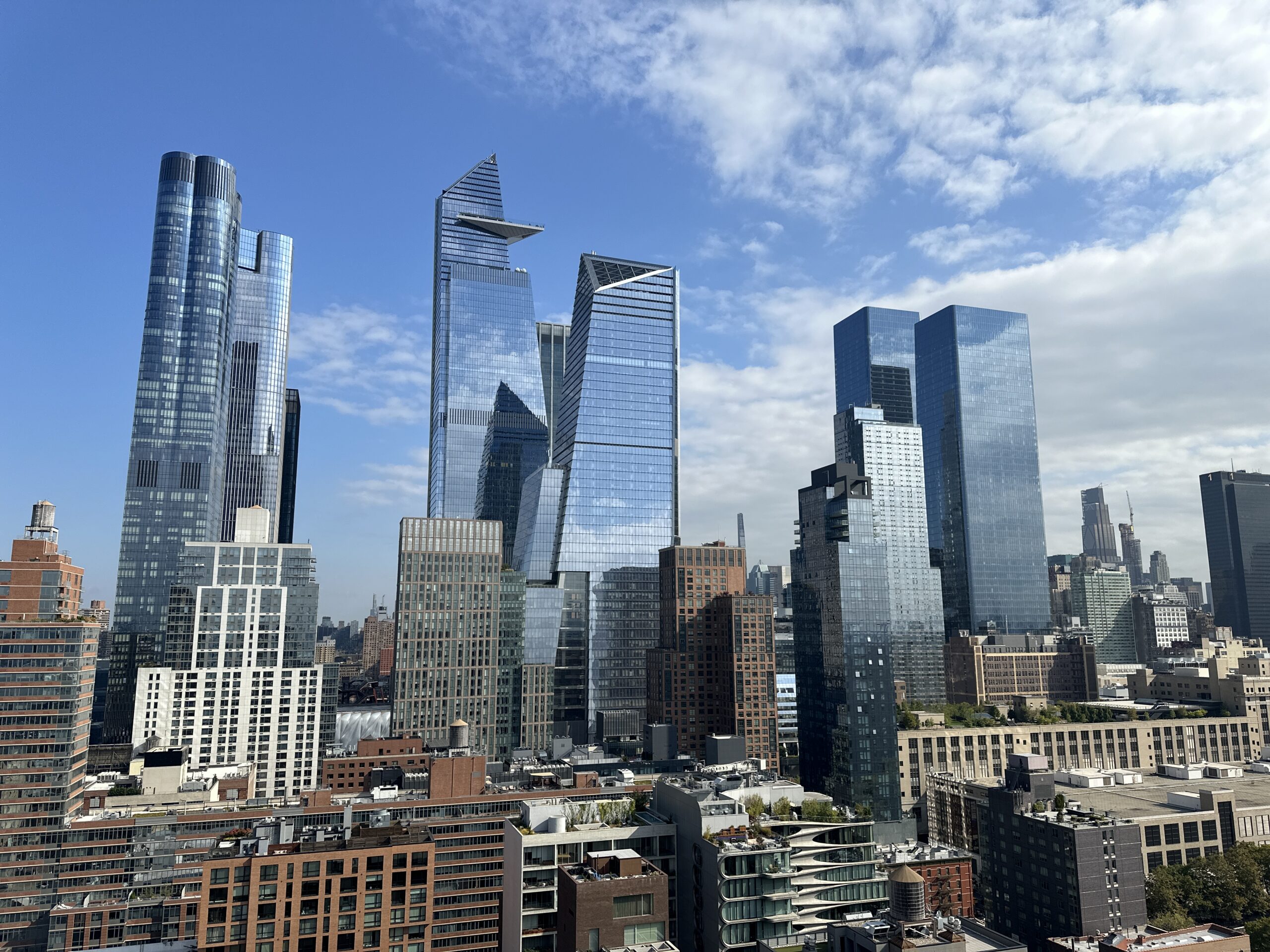
In addition to energy code compliance under an energy audit purview, HLZAE also files many sets of MEP construction documents in a given year where compliance with the New York City Energy Conservation Code (NYCECC) is required. While our expertise is deeply rooted in New York City compliance, our team also supports projects across major U.S. markets, including cities aligned with C40 climate initiatives, helping clients navigate evolving energy and emissions requirements at both the local and national level.
For all projects, HLZAE is looking to ensure minimum compliance with the NYCECC; however, we are also looking to understand the specific client desires to potentially further increase energy conservation by going beyond the minimum set forth within the applicable NYCECC for the building and/or project.
At HLZAE, we are a multi-disciple company that has extensive experience regarding architectural, structural, mechanical, electrical, plumbing, exterior, and window replacement/renovations. This allows for us to quickly produce the necessary reports and perform an accurate energy audit for your building.
Availability:
- Existing building
- National Coverage



Know Where Your Energy Is Going
You can’t manage what you can’t measure. Energy audits give building owners a clear picture of how energy is consumed, where inefficiencies exist, and what opportunities for improvement will deliver the greatest return. Our engineers conduct thorough audits that form the foundation for compliance with Local Law 97 and other energy performance mandates.
Still have questions about Energy Audits?
What is a building energy audit and why is it important?
A building energy audit is a detailed analysis of energy usage across systems like HVAC, lighting, and electrical, helping identify ways to reduce energy costs and improve overall building efficiency.
What does an energy audit include for commercial buildings?
A commercial building energy audit includes evaluating energy consumption, identifying high-usage systems, recommending energy conservation measures, and calculating potential cost savings and return on investment.
Which buildings are required to complete an energy audit under Local Law 87?
Under NYC Local Law 87, buildings over 50,000 square feet, or multiple buildings on the same tax lot exceeding 100,000 square feet, must complete an energy audit and submit required reports every 10 years.
What happens if you miss a Local Law 87 energy audit deadline?
Missing an LL87 deadline can result in financial penalties, starting with fines in the first year and increasing annually until the required Energy Efficiency Report is submitted.
How can an energy audit reduce building operating costs?
An energy audit identifies inefficiencies in systems like heating, cooling, and lighting, allowing building owners to implement upgrades that lower energy consumption and reduce long-term operating expenses.
How can Milrose help with energy audits and LL87 compliance?
Milrose provides comprehensive energy audit services, including detailed system analysis, energy-saving recommendations, incentive guidance, and preparation and filing of required LL87 reports with the NYC Department of Buildings.