





Availability:
- Existing building
- National Coverage
Related services:
DD Stage Permitting
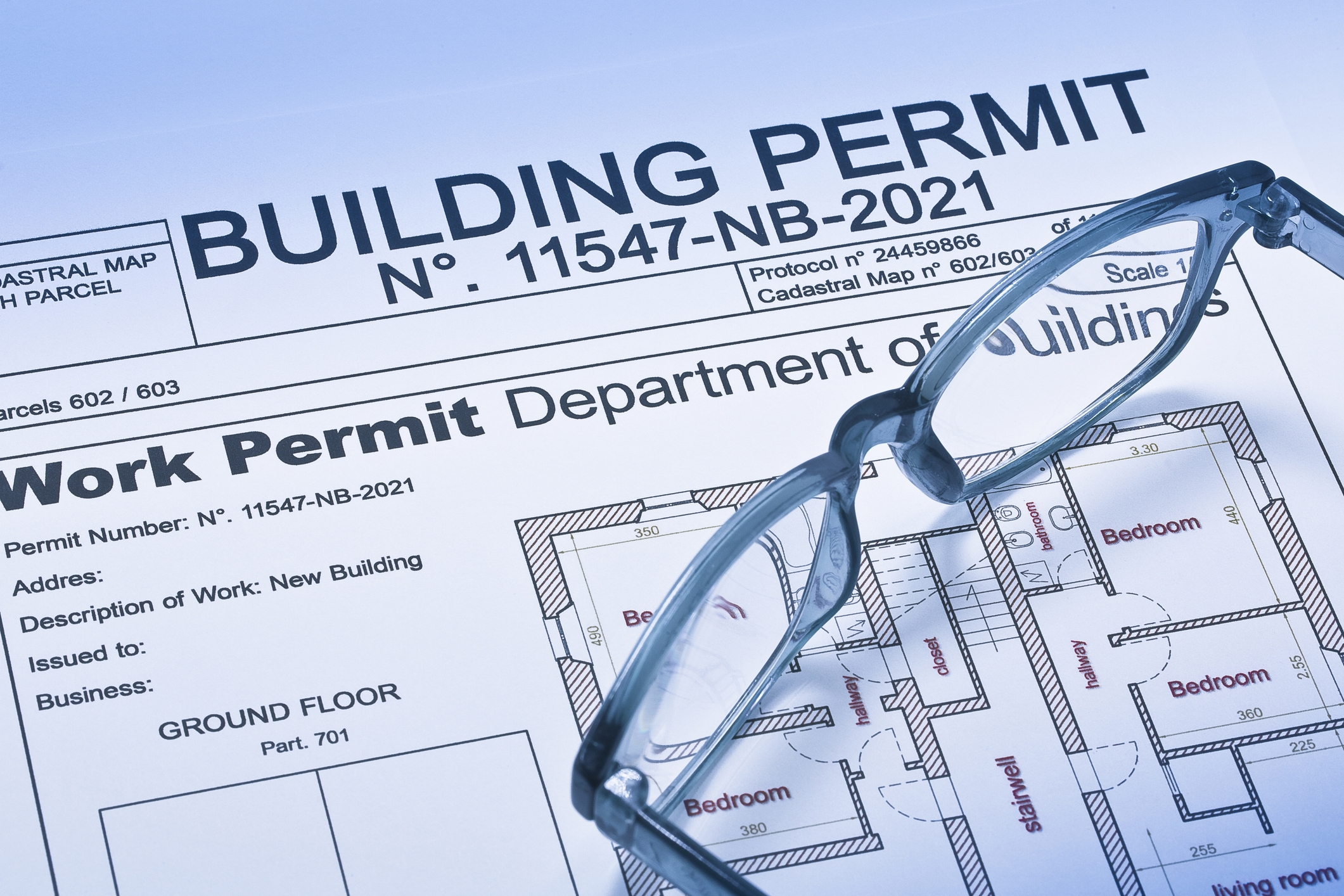
Design Development Stage Permitting ensures that design intent translates into approvals that jurisdictions will accept, constructability that contractors can execute, and occupancy conditions that stand up to enforcement. At this stage, most schedule risk emerges: drawings that conflict with code, misaligned discipline sets, late-identified variances, and agency interpretations that diverge from design assumptions. Early coordination prevents design decisions from becoming downstream blockers.
Milrose works alongside design teams to interpret and apply code in real time, coordinate filings across all disciplines, and align the permitting sequence with the construction schedule. We identify compliance risks before they impact bids or procurement and establish a clear strategy for variance needs, fire and life safety issues, and pre-construction readiness. By eliminating the delays that originate in design but surface during construction, we position teams to move confidently into the build phase.
Availability:
- Existing building
- National Coverage




DD Permitting That Prevents Construction-Phase Surprises
DD Stage Permitting keeps projects advancing by resolving approval risks early, aligning permit strategy with construction, and ensuring that what is designed can be built, approved, and occupied without disruption.
Still have questions about DD Stage Permitting?
What is DD stage permitting in construction?
DD stage permitting is the work done during design and pre-construction to make sure drawings, code requirements, and agency expectations align before bids, procurement, and filing. Milrose works with design teams in real time to reduce permit risk and prevent construction-phase surprises.
What causes permitting issues during the design phase?
Common issues include discipline sets that don’t match, drawings that conflict with code, late-identified variance needs, and agency interpretations that differ from design assumptions. Milrose identifies these risks early and coordinates fixes before they become plan review delays or field rework.
When should permitting coordination start during design and development?
Permitting coordination should start early in design, before key layout and system decisions are finalized. Milrose aligns the permitting sequence to the construction schedule so approvals support procurement, phasing, and occupancy milestones.
How do you identify if a project needs a variance or special approvals?
Variance needs typically come from zoning, egress, fire and life safety, or site constraints that prevent full compliance. Milrose reviews the design against code and jurisdictional requirements and establishes a clear strategy for any variances and related approvals.
Does DD stage permitting reduce construction delays?
Yes. Milrose resolves approval risks early by coordinating discipline sets and confirming compliance and occupancy requirements, which helps avoid redesign, resubmissions, and out-of-sequence work during construction.
How can Milrose help with DD stage permitting?
Milrose partners with design teams early to align drawings, code requirements, and agency expectations. We identify variance and approval risks up front, coordinate across disciplines, and sequence permits to the construction schedule to reduce redesign, resubmissions, and construction delays.