See how our strategic partnerships and acquisitions strengthen our building lifecycle services and ensure seamless project execution from planning through occupancy.
Complete Building Lifecycle Support for Multi-Family Development
Residential developers face stringent requirements for dwelling unit egress, fire separations between units, fair housing accessibility, and sound transmission ratings. Milrose Consultants delivers end-to-end solutions from site feasibility through final occupancy for projects ranging from luxury high-rises to mixed-income developments, supporting on-time delivery and compliant construction.
Residential Development Project Experience
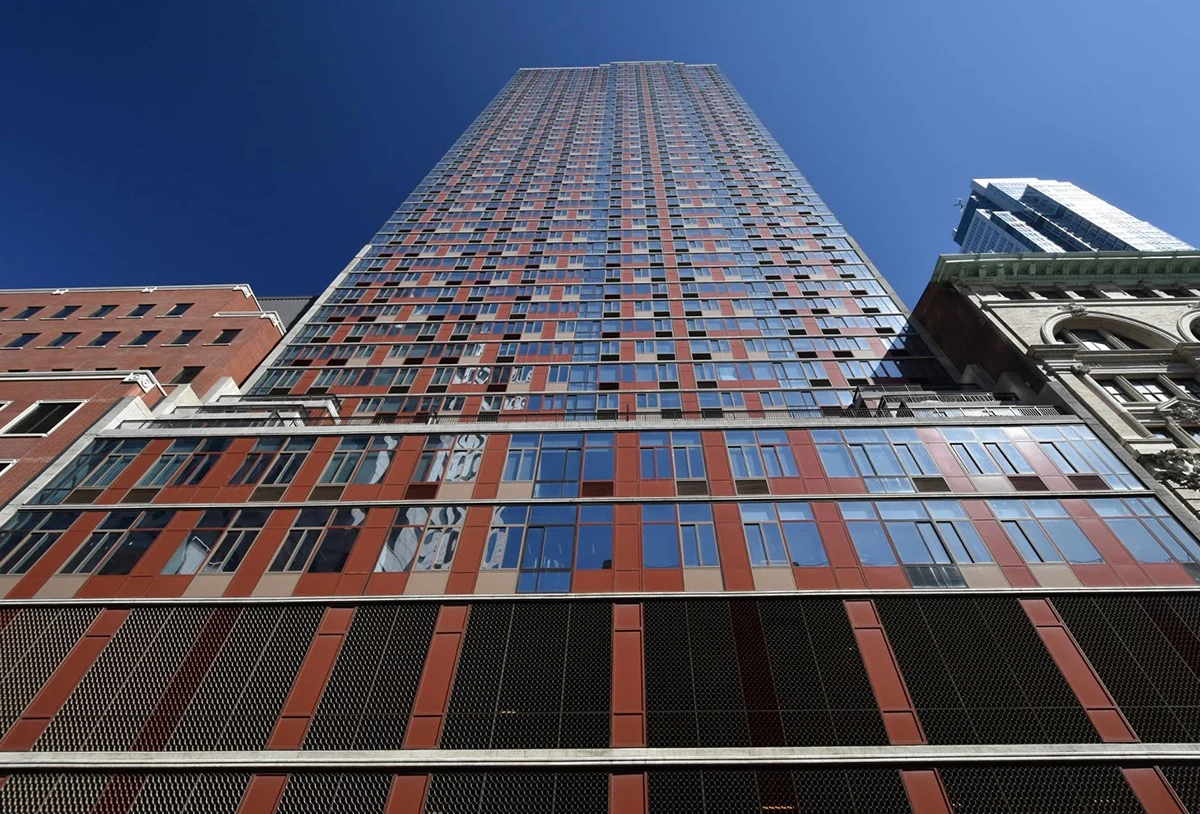
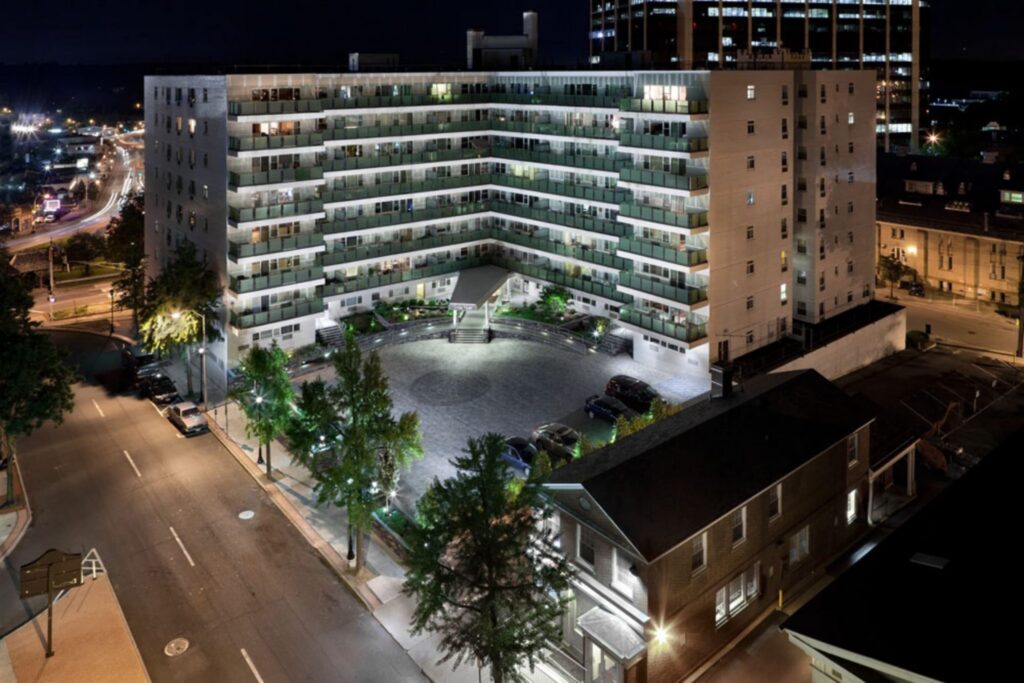
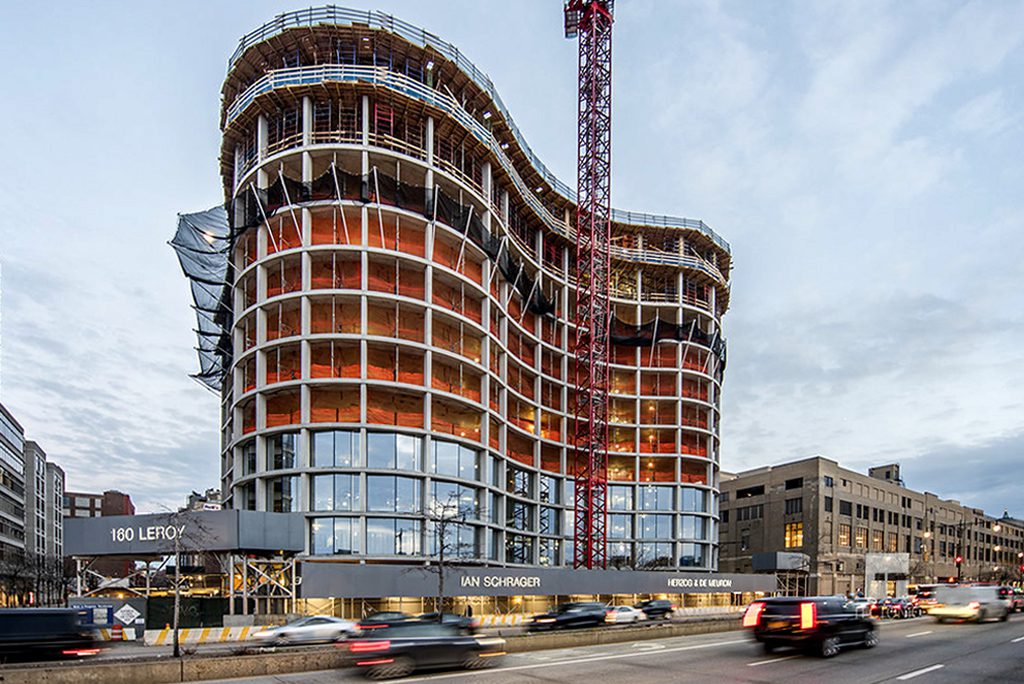
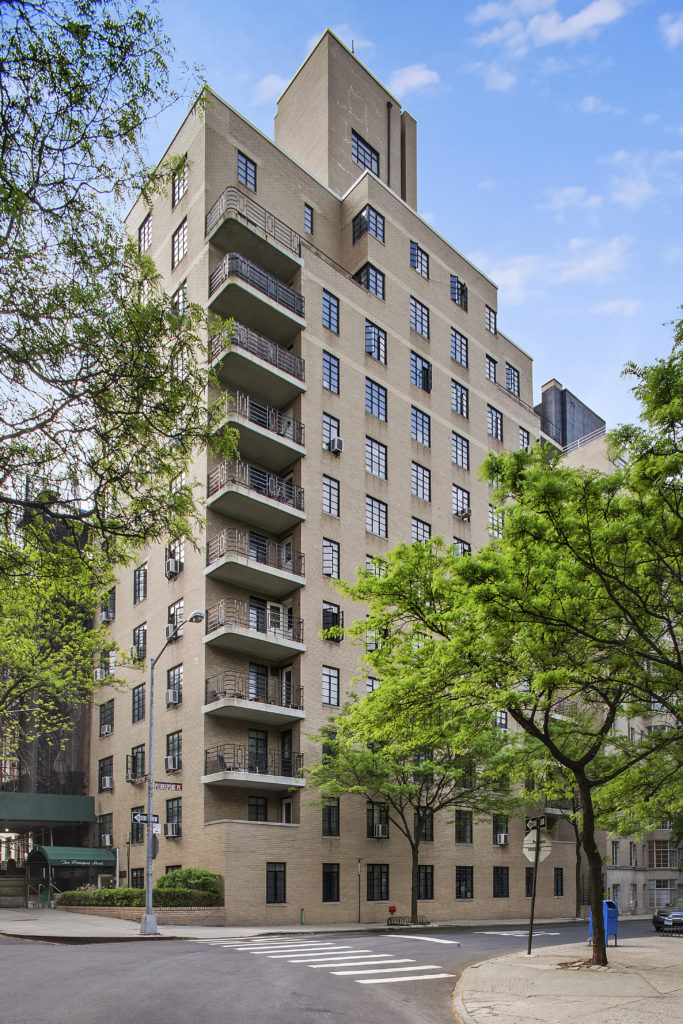
High-Rise Apartment Buildings Luxury residential towers require sophisticated understanding of residential building codes, fire safety systems, and the coordination skills to manage complex approval processes in competitive urban markets.
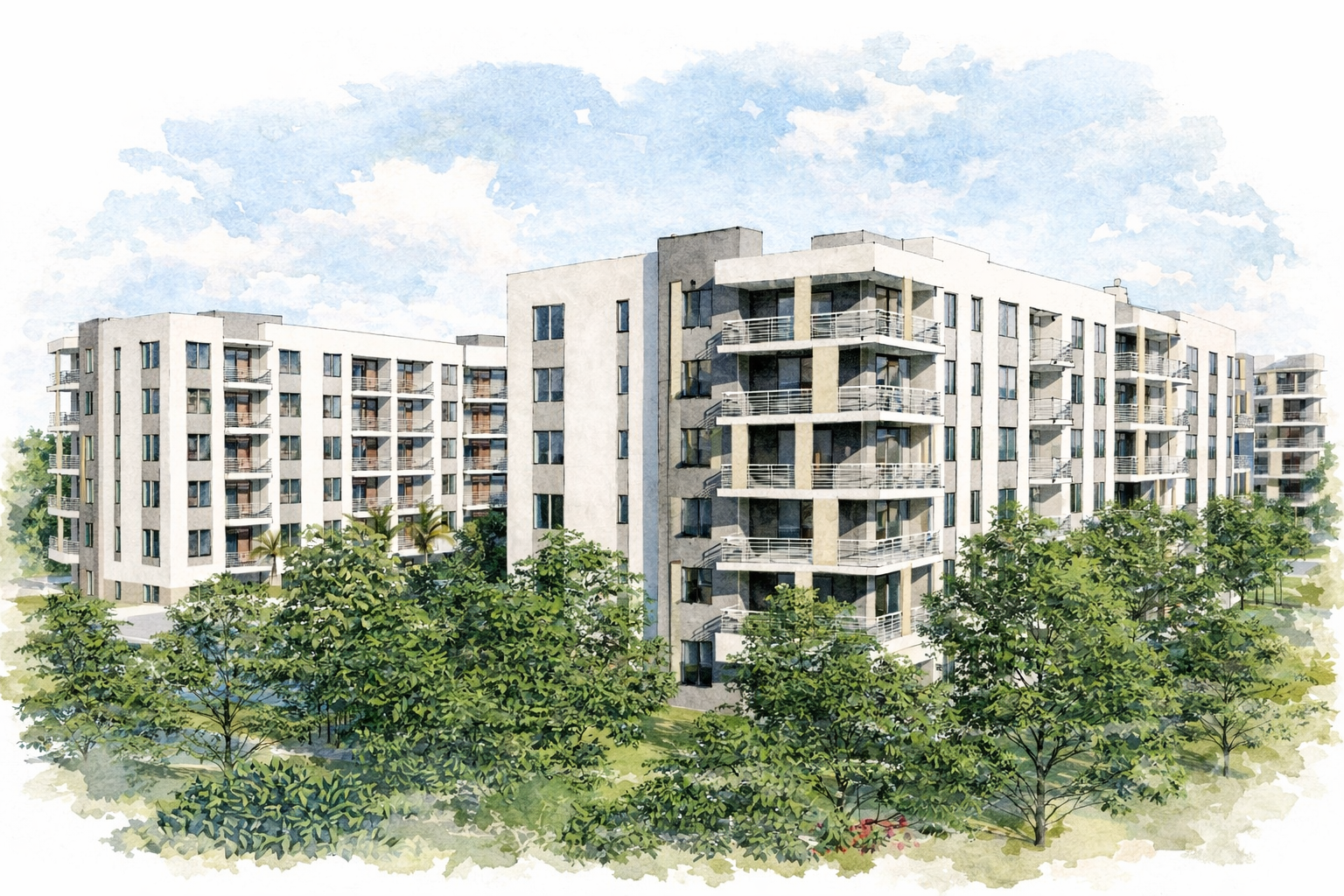
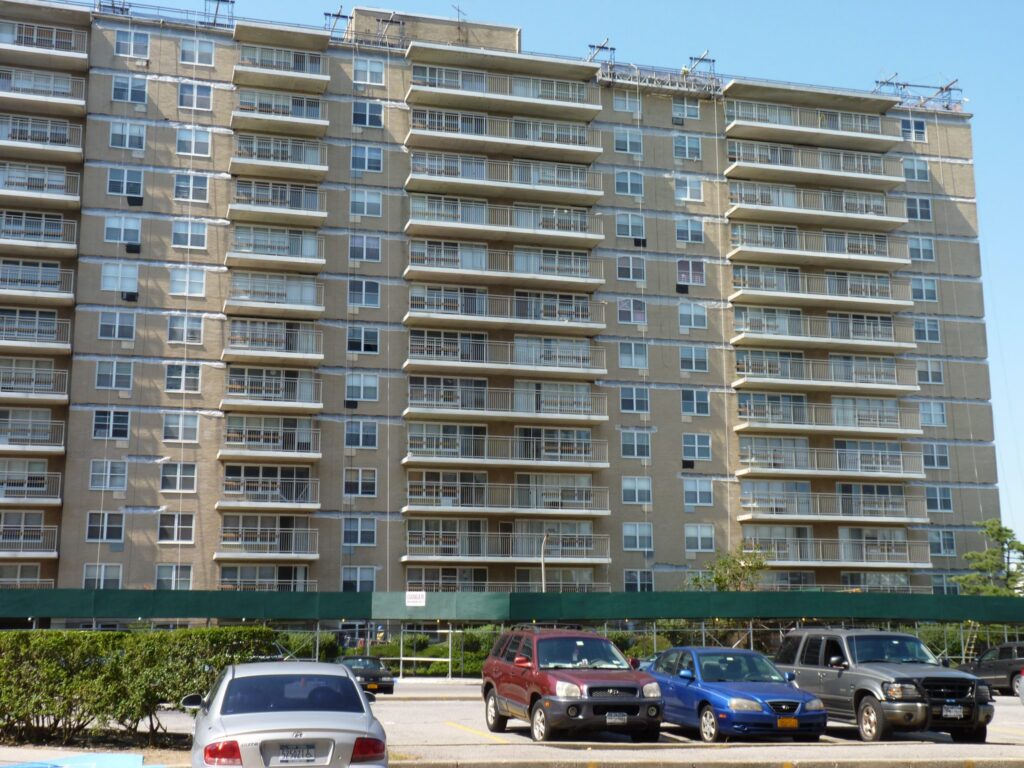
Mid-Rise & Garden Apartments Suburban and urban mid-rise projects face different code requirements based on building height, construction type, and local zoning regulations. Our team adapts strategies to each project’s specific context.
Mixed-Income & Affordable Housing Subsidized housing developments must meet both building code requirements and program-specific mandates related to accessibility, energy efficiency, and building quality. We help navigate these overlapping requirements.
Student Housing & Dormitories Residential occupancies serving student populations face specialized requirements related to occupancy classification, separation from educational uses, and specific life safety provisions.
Senior Living & Age-Restricted Housing Developments serving older adults must address accessibility beyond minimum code requirements, safety features that support aging in place, and sometimes healthcare-related provisions.
Condominium Conversions Converting rental buildings to condominiums triggers code requirements for unit separations, fire protection upgrades, and accessibility improvements. We guide owners through approval processes and documentation.
Residential Building Code Requirements
Construction Type & Height Limits Residential building codes establish allowable building heights and areas based on construction type, sprinkler protection, and occupancy classification. Our team helps developers maximize building potential within code parameters.
Fire-Resistance Rated Construction Multi-family buildings require fire-rated assemblies between dwelling units, corridors, and other spaces. We review architectural designs for fire separation requirements and coordinate necessary testing and documentation.
Means of Egress from Dwelling Units Residential egress requirements differ from commercial standards, with specific provisions for unit doors, corridors, stairs, and exits. Our egress analysis maintains code requirements while optimizing unit layouts and common areas.
Accessibility in Multi-Family Housing Federal Fair Housing Act requirements and local accessibility codes mandate accessible units, common areas, and routes throughout residential buildings. We provide detailed accessibility reviews that address both new construction and renovation scenarios.
Residential Sprinkler Requirements Building codes and local amendments increasingly require automatic sprinklers in multi-family residential buildings. Our fire protection specialists coordinate sprinkler design with architectural and plumbing systems.
Sound Transmission & Acoustic Separation Building codes establish minimum sound transmission ratings for assemblies separating dwelling units. We review partition designs and specifications to verify acoustic performance meets code requirements.
Natural Light & Ventilation Residential spaces must provide minimum levels of natural light and ventilation based on room function and building configuration. Our code reviews verify requirements for these often-overlooked provisions.
New Building Filings Ground-up residential construction requires comprehensive permit applications coordinated with multiple city agencies. We prepare complete filing packages, manage examiner review cycles, and track approvals through permit issuance.
Major Alterations & Additions Expanding or substantially renovating existing residential buildings triggers code requirements for accessibility upgrades, fire protection improvements, and system modernization. Our filing strategies address both new work and required upgrades to existing conditions.
Interior Renovations Unit renovations and common area improvements require permits that reflect work scope and building type. We determine appropriate filing categories and develop streamlined applications for routine residential work.
Temporary Certificate of Occupancy Processing Residential projects often seek phased occupancy to begin generating revenue before final completion. We coordinate temporary certificates of occupancy that allow partial building occupancy while work continues in other areas.
Density & Unit Count Calculations Zoning regulations limit residential density through mechanisms including dwelling units per acre, floor area ratio, and lot coverage. Our zoning analysis helps developers understand buildable program and identify opportunities for density bonuses.
Parking Requirements Residential parking standards vary widely by jurisdiction and sometimes by unit size or building location. We analyze parking requirements, evaluate reduction opportunities, and coordinate variance applications when needed.
Affordable Housing Programs Many jurisdictions offer zoning incentives for projects including affordable housing components. We help developers navigate these programs and verify requirements for both zoning and program standards.
Amenity Space Requirements Local zoning codes may mandate recreational facilities, open space, or community amenities in residential developments. Our analysis identifies these requirements during project planning to avoid surprises during the approval process.
Balancing Code Requirements with Economics Residential development operates on tight margins where code-required features impact project feasibility. Our team finds compliant solutions that minimize cost while meeting safety requirements.
Phased Construction & Occupancy Large residential projects often seek to occupy completed portions before final completion. We develop phasing strategies and coordinate the approvals needed for staged occupancy.
Existing Building Renovations Residential buildings constructed under earlier codes may not meet current standards. We help developers understand triggered upgrades, evaluate grandfather rights, and develop compliant renovation strategies.
Community & Political Considerations Residential projects often face community opposition and political challenges beyond technical code requirements. While we focus on regulatory aspects, our experience helps teams anticipate and address concerns that arise during public review.
Residential Energy & Environmental Requirements
Energy Code Standards Residential buildings must meet energy efficiency standards covering building envelope, mechanical systems, lighting, and hot water equipment. We help project teams select paths and prepare required documentation.
Green Building Programs Many residential projects pursue voluntary green building certifications or must meet local sustainability mandates. We coordinate code requirements with green building standards to streamline the approval process.
Indoor Air Quality Building codes increasingly address ventilation rates, moisture control, and material emissions in residential construction. Our team reviews mechanical designs and specifications for indoor air quality provisions.
Milrose has supported residential projects including The Brooklyner, 99 Hudson, and hundreds of multi-family developments nationwide. This experience provides insights into the specific code challenges residential projects face and proven strategies for successful approvals.
New York City Residential Development NYC residential projects face unique requirements including multiple dwelling law, housing maintenance code, and local amendments to building codes. Our NYC team brings decades of experience navigating this complex regulatory environment.
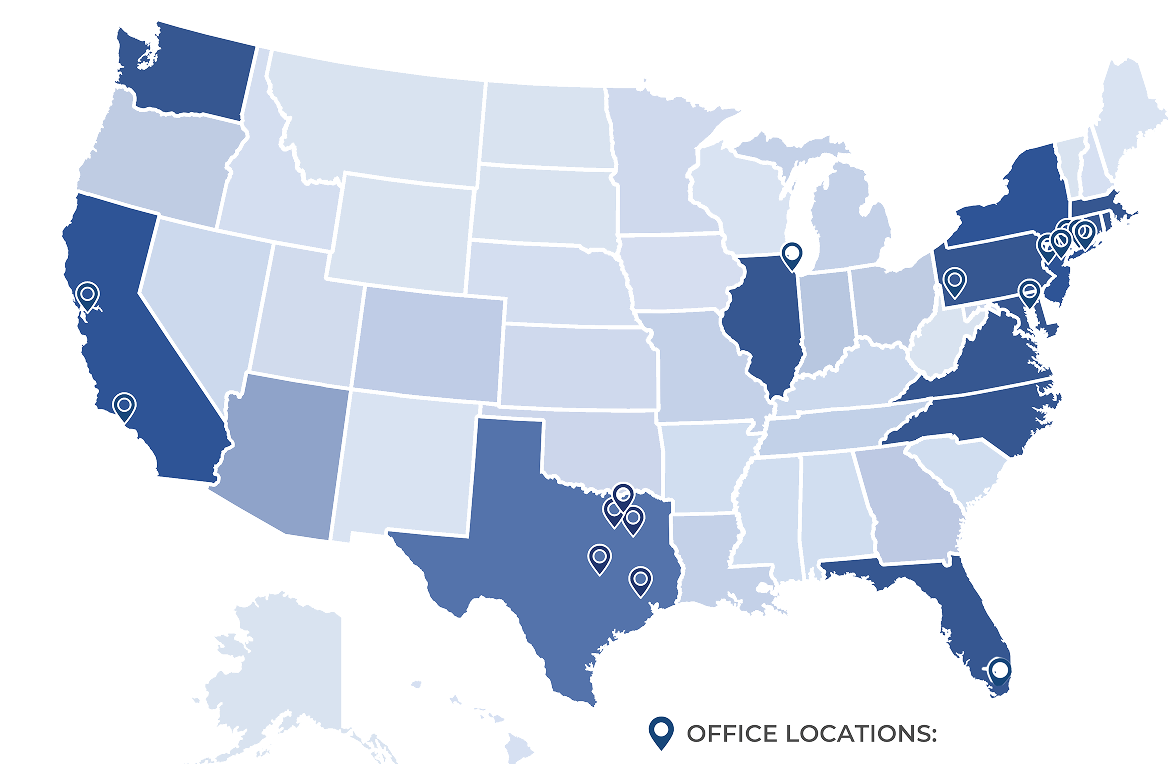
Northeastern Markets Our regional offices throughout the Northeast corridor understand local variations in residential building codes, zoning regulations, and municipal procedures that affect multi-family development.
Nationwide Residential Portfolios Developers and investors operating across multiple markets benefit from our national network. We provide consistent service delivery while adapting to local requirements in each jurisdiction.
Successful residential development requires expertise from concept through certificate of occupancy. Contact our residential specialists to discuss how we can support your project timeline.
Milrose is the integration of leading service providers like CSI into one nationwide firm. Our clients benefit from combined expertise, streamlined services, and expanded capabilities under a single trusted name.
Milrose is the integration of leading service providers like Borne Consulting into one nationwide firm. Our clients benefit from combined expertise, streamlined services, and expanded capabilities under a single trusted name.
Milrose is the integration of leading service providers like ARC into one nationwide firm. Our clients benefit from combined expertise, streamlined services, and expanded capabilities under a single trusted name.
Milrose is the integration of leading service providers like Surface Design into one nationwide firm. Our clients benefit from combined expertise, streamlined services, and expanded capabilities under a single trusted name.
Milrose is the integration of leading service providers like JMZoning into one nationwide firm. Our clients benefit from combined expertise, streamlined services, and expanded capabilities under a single trusted name.
Milrose is the integration of leading service providers like Permit Advisors into one nationwide firm. Our clients benefit from combined expertise, streamlined services, and expanded capabilities under a single trusted name.
Milrose is the integration of leading service providers like HLZAE into one nationwide firm. Our clients benefit from combined expertise, streamlined services, and expanded capabilities under a single trusted name.