


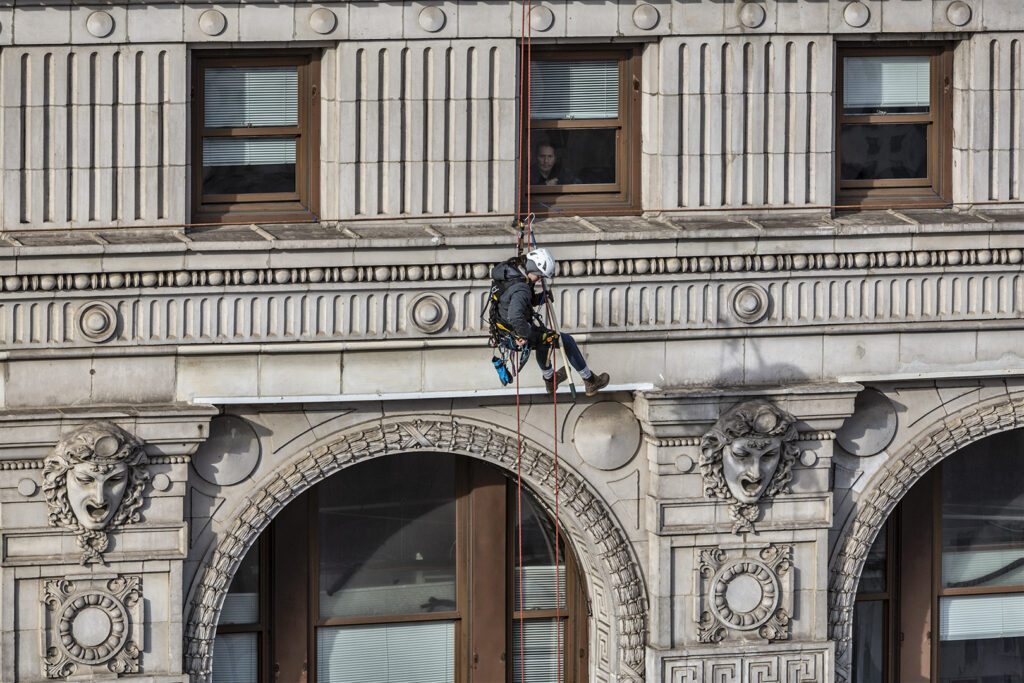
Cracking, spalling, and water infiltration are often early signs of facade deterioration. Addressing them early helps reduce both compliance risk and long-term costs.
Every building communicates its condition through its exterior. Hairline cracks in masonry, discoloration around window frames, and receding mortar joints are often dismissed as normal aging. In reality, they offer early insight into underlying deterioration.
In New York City, buildings vary widely in age and construction, and facade deterioration is inevitable. It’s not a question of if, but how early it’s identified and how it’s managed.
Why Facades Deteriorate
Buildings are constantly exposed to environmental and structural stress. Weather, temperature changes, moisture, and even nearby construction all contribute to long-term wear.
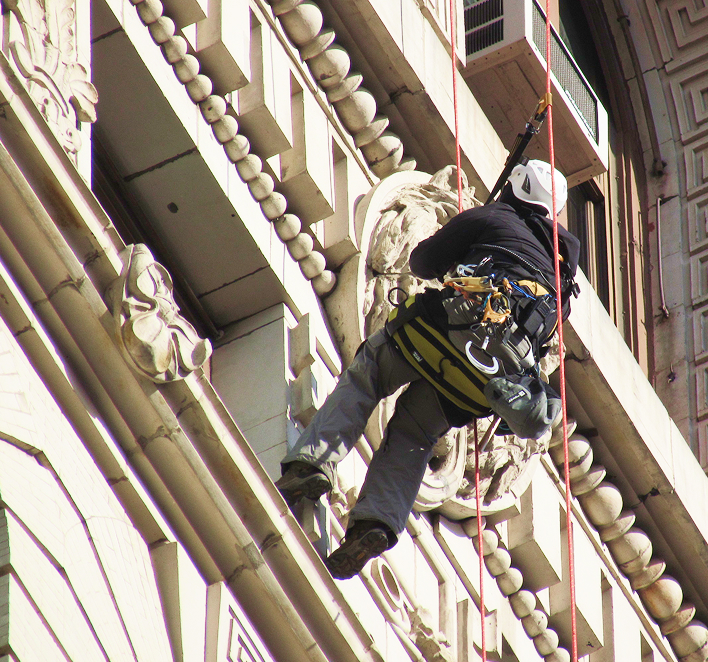
Facades are made up of materials that age differently. Brick, terra cotta, limestone, concrete, steel, glass, and sealants each have distinct lifespans and failure patterns. Visible damage is often only part of the issue. Water can also make its way behind the facade, corroding embedded steel, weakening mortar, and compromising structural connections. By the time staining or spalling becomes visible, internal deterioration may already be advanced.
The Regulatory Reality
New York City’s Facade Inspection and Safety Program (FISP), formerly Local Law 11, requires buildings over six stories to undergo periodic inspections. If conditions are classified as Unsafe, building owners must install public protection immediately and complete repairs within strict timelines. Conditions classified as Safe With a Repair and Maintenance Program (SWARMP) must be addressed before the next cycle or escalate to Unsafe.
Recent changes to sidewalk shed regulations have increased the urgency of timely repairs. Permits are now capped at 90 days, and extended installations are subject to escalating penalties. Delays now carry greater financial and compliance risk than before.
The Case for Proactive Restoration
Addressing facade issues early is more cost-effective than reacting to failures. When deterioration is identified through routine inspections and maintenance, the scope of work is typically smaller, timelines are more manageable, and costs can be planned more accurately.
Proactive restoration also helps preserve long-term asset value. A well-maintained building envelope improves energy efficiency, reduces the risk of interior water damage, and minimizes disruptive emergency repairs.
What HLZAE Brings to Building Restoration
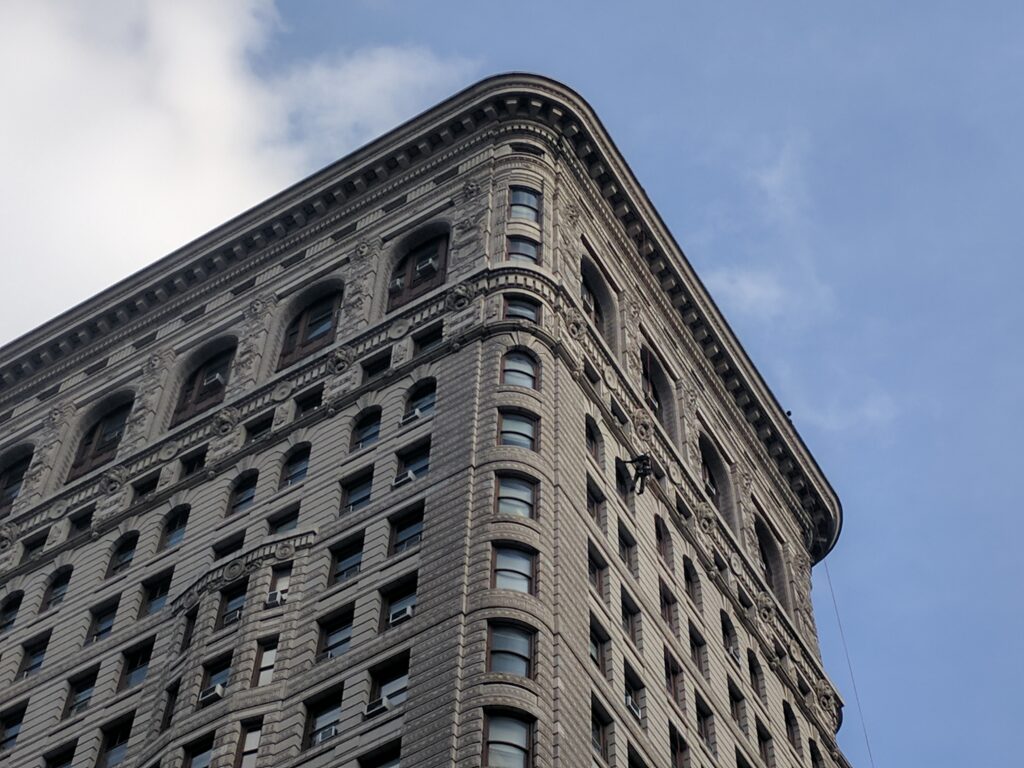
HLZAE has over 40 years of experience restoring New York City buildings. Their architects and engineers specialize in exterior envelope investigation, forensic analysis, and restoration design across a broad range of building types, from pre-war residential structures to modern high-rises.
Their approach balances an understanding of existing materials with current code requirements, resulting in repair programs that are structurally sound, code-compliant, and practical to implement.
A Coordinated Approach with the Milrose Family of Companies
When facade projects move into permitting and filing, Milrose manages the regulatory process. This includes Department of Buildings filings, sidewalk shed permits, violation research, and resolution.
Together, HLZAE and Milrose provide a coordinated path from inspection through restoration and closeout. This approach helps minimize risk, maintain compliance, and keep projects on schedule.
If you have concerns about your building’s facade, or if recent inspections have identified issues, acting early gives you greater control over scope, cost, and timing.