

Local Law 97 Reporting Is Now Annual. What Building Owners Need to Know
The first filing deadline has passed. The emission caps only get tighter from here. If you don’t have a decarbonization plan yet, now is the time to start.
Local Law 97 is no longer something building owners can put on the back burner. The first compliance reports were due May 1, 2025, and annual reporting is now required every May 1 going forward. If your building is over 25,000 square feet, or if you own two or more buildings on the same tax lot that together exceed 50,000 square feet, this applies to you.
The first set of emission limits is only the beginning. The caps become significantly tighter in 2030 and again in 2035. Buildings that are currently close to compliance may find themselves well over the limit within a few years.
What LL97 Actually Requires
At its core, Local Law 97 sets carbon emission limits for New York City’s largest buildings. Nearly 70% of the city’s carbon emissions come from the fossil fuels used to heat, cool, and power buildings. LL97 addresses this by requiring building owners to measure and report annual emissions and stay within assigned limits based on building type and size.
Buildings that exceed their limits are subject to annual fines. For building owners who submit false statements, penalties can reach $500,000. This is not a regulation to approach casually.
The Good News: There Are Compliance Pathways
The updated LL97 rules introduced alternative compliance options for the 2024 to 2029 period. Buildings that exceed their initial limits can pursue Good Faith Efforts by developing and implementing a decarbonization plan. A Beneficial Electrification pathway is also available for buildings transitioning systems away from fossil fuels.
These pathways provide flexibility, but they require documentation, planning, and professional guidance. Filing alone is not enough. A defined strategy, supported by engineering analysis and a clear timeline, is essential.
Where to Start
One of the most common issues HLZAE, a Milrose company, identifies is inaccurate building square footage listed with the DOB. If square footage is overstated, emission limits may be miscalculated, resulting in higher penalties than necessary. HLZAE can conduct building measurements and coordinate with the DOB to correct these figures.
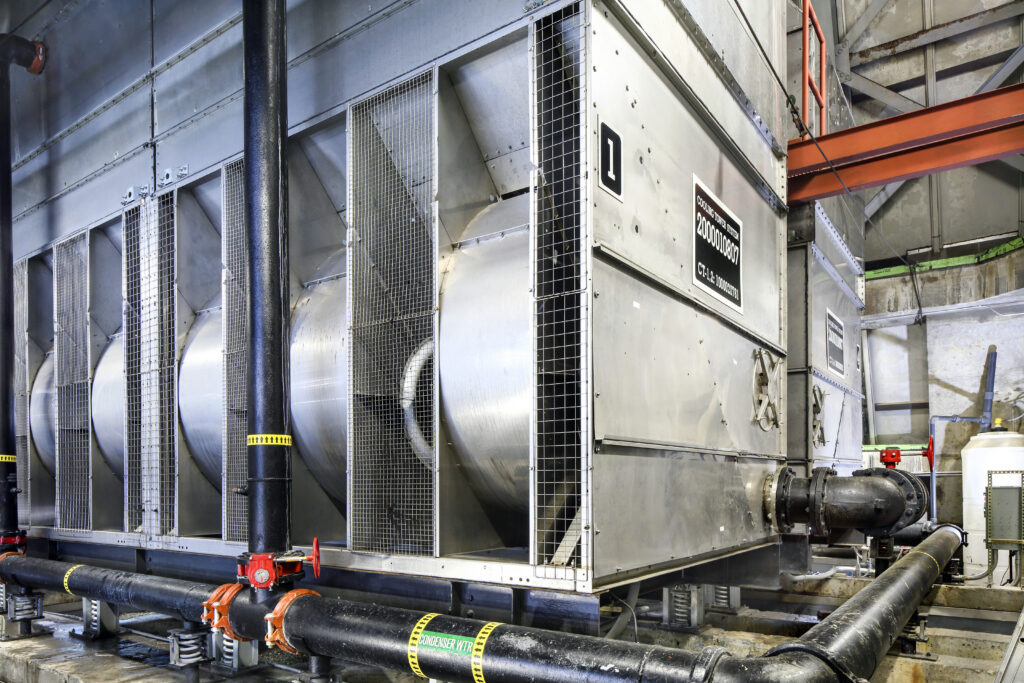
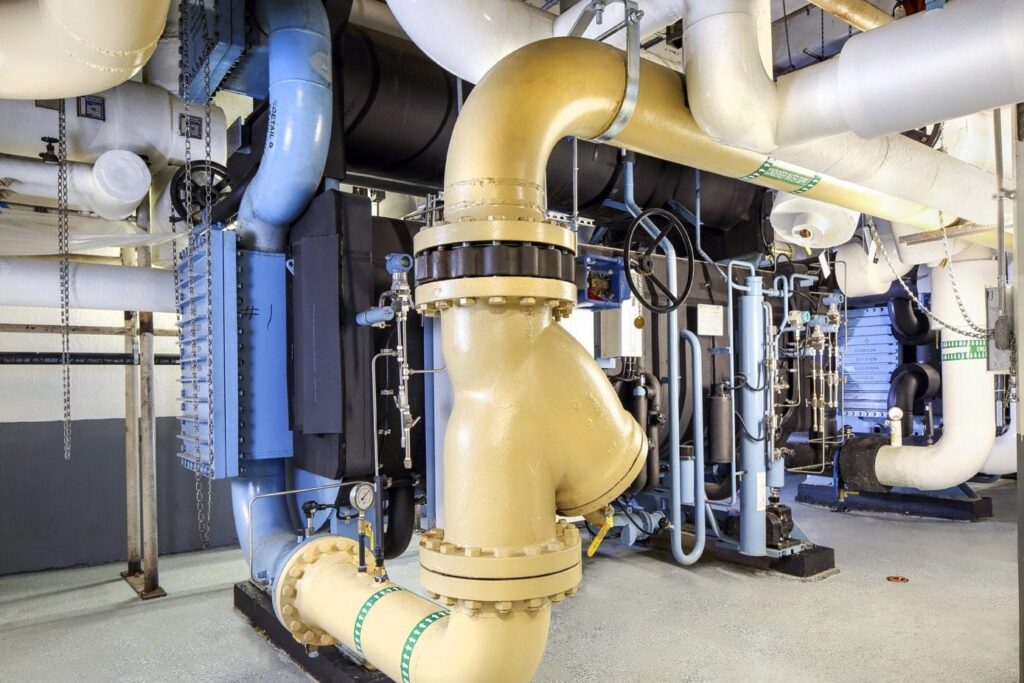
From there, the focus shifts to where the most meaningful opportunities for emission reduction exist. In most cases, this comes down to the building envelope and MEP systems. Best practice is to seal and insulate the facade, windows, and roof before sizing or specifying MEP upgrades. This sequencing matters because improving the envelope often allows for smaller, more cost-effective mechanical systems.
How HLZAE and the Milrose Family of Companies Help
HLZAE brings expertise in energy audits, MEP and structural engineering, facade restoration, and building decarbonization strategy. Their team of registered design professionals and certified energy professionals works with building owners to assess current emissions, identify the most impactful upgrades, and develop practical compliance plans.
Milrose supports the compliance and regulatory filing side, ensuring that every permit, submission, and deadline associated with an LL97 plan is handled accurately and on schedule. Together, the two firms provide a coordinated approach that covers everything from engineering assessment through DOB submission.
If you haven’t started decarbonization planning, or if you’ve filed your first report and need to map out next steps, this is the time to act. Starting early gives you more flexibility and a broader range of options.