


A development site with good location, favorable density, and solid comps may also hold zoning restrictions, open violations, or utility constraints. When ignored, these conditions can reshape the project after closing. This is why practicing pre-construction due diligence can help identify these problems during the contract period. The timing gives buyers the leverage to renegotiate the price, adjust the scope, or even walk away.
Zoning and Land Use Verification
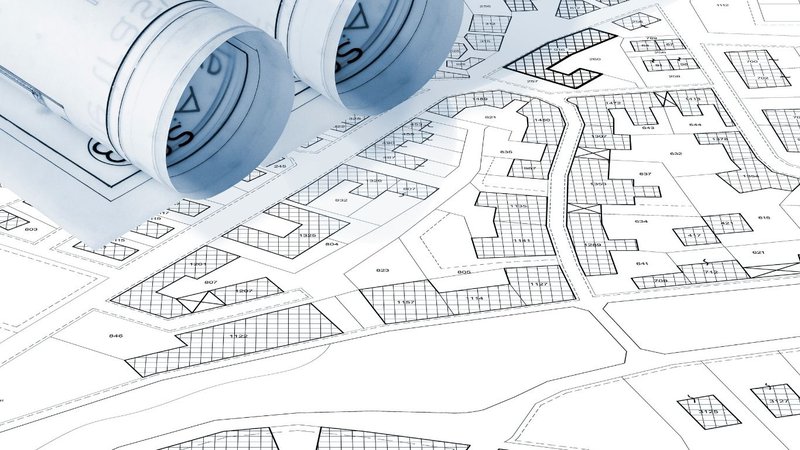
The first item on any pre-construction due diligence checklist is a full zoning analysis. This means confirming the lot’s base district, special purpose overlays, Floor Area Ratio (FAR) limits, use restrictions, and height and setback controls. The data should be verified against the actual Zoning Resolution and the lot's current certificate of occupancy. Using a broker summary or zoning map screenshot won’t work.
The zoning analysis should also flag prior variances, special permits, or restrictive declarations on file. These encumbrances can limit future development even when the base zoning allows it. They don't appear on a zoning map. They surface only through a title search and DOB records review.
Pre-Construction Due Diligence Identifies Violations and Open Permits Early
Unresolved DOB violations and open permits are among the most common pre-construction due diligence surprises. Active Environmental Control Board (ECB) violations may carry penalties that transfer at closing. Open permits from prior work that was never signed off can block new filings entirely. The NYC Department of Buildings (DOB) won't accept a new application on a lot with unresolved matters until the issue is concluded.
Milrose's violations research and dismissal team can help uncover these issues during due diligence. Clearing them before closing gives the buyer a clean filing path and removes a negotiating liability from the transaction.
Building Code and Infrastructure Plus Environmental Review
Pre-construction due diligence should cover the code implications of the proposed use. Converting commercial space to residential occupancy will trigger different egress, fire protection, and accessibility rules. Those changes can alter the construction scope and bloat the budget.
Utility capacity is another item that gets left out. Electrical service, water supply, sewer, and gas all need confirmation from the relevant utility providers before the design can move forward. In dense urban areas, available capacity may not support the proposed load. However, adjusting via upgrades carry their own timelines and costs, both of which need to appear in the pro forma early.

Meanwhile, sites with industrial history require environmental due diligence. Phase I and Phase II Environmental Site Assessments identify contamination that could require remediation before issuance of permits. In NYC, the Department of Environmental Protection (DEP) and the state's Brownfield Cleanup Program may both claim jurisdiction. Ultimately, the question of which program does greatly depends on the site's history and proposed use.
How Milrose Structures Pre-Construction Due Diligence
The Milrose family of companies provides permitting due diligence packages that cover zoning verification, violation screening, code gap analysis, and utility coordination. For investors entering NYC from other markets, this helps transform the city's regulatory labyrinth into a manageable risk assessment tied to the pro forma and schedule.
If your next acquisition depends on getting permits quickly after closing, running pre-construction due diligence during the contract period protects that timeline. Contact us to scope a review before your due diligence window closes.