

Availability:
- New & Existing Buildings
- National Coverage
Related services:
Facade Consulting
Facade consulting plays a critical role in building performance, safety, and regulatory compliance, especially in dense urban environments. From existing condition assessments and restoration strategies to code alignment and constructability reviews, facade decisions directly impact approvals, long-term maintenance, and lifecycle costs.
Milrose supports owners, architects, and development teams with facade consulting services across a range of project types, including new construction, exterior restorations, facade inspections, recladding initiatives, and green roof projects. Quality assurance and quality control are critical components throughout. They are most effective when implemented as a holistic, continuous program from design through fabrication and installation. Our team takes an active role in ensuring systems are manufactured and installed per project documents, from visiting glass manufacturers to identifying deficiencies in the field.
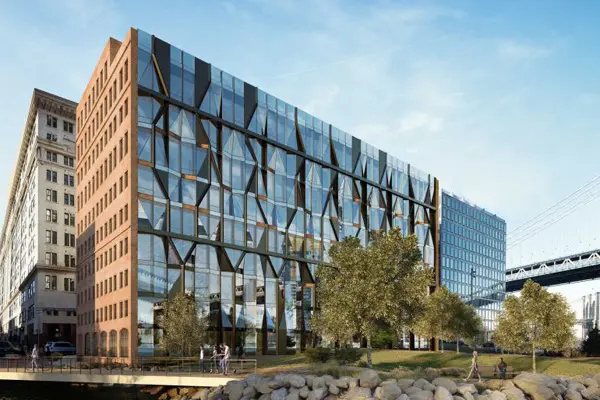
For new construction, we fully integrate advanced parametric software and BIM delivery systems to develop exterior wall systems, study alternate solutions, represent architectural intent via 2D drawings and 3D BIM models, and provide market knowledge to support cost analysis and procurement. Once facade components are designed, we assist in bidding, purchase, testing, manufacture, and installation, including scope writing, shop drawing review, material submissions, mock-up testing, and onsite supervised installation.
Shop monitoring is one of the most valuable methods to identify and address potential problems before wall systems arrive on site. This continuous quality control ensures consistent fabrication and helps prevent rejections and delays in the field. Our team provides shop monitoring services worldwide to verify that wall components and systems are manufactured in compliance with approved design documents and specifications.
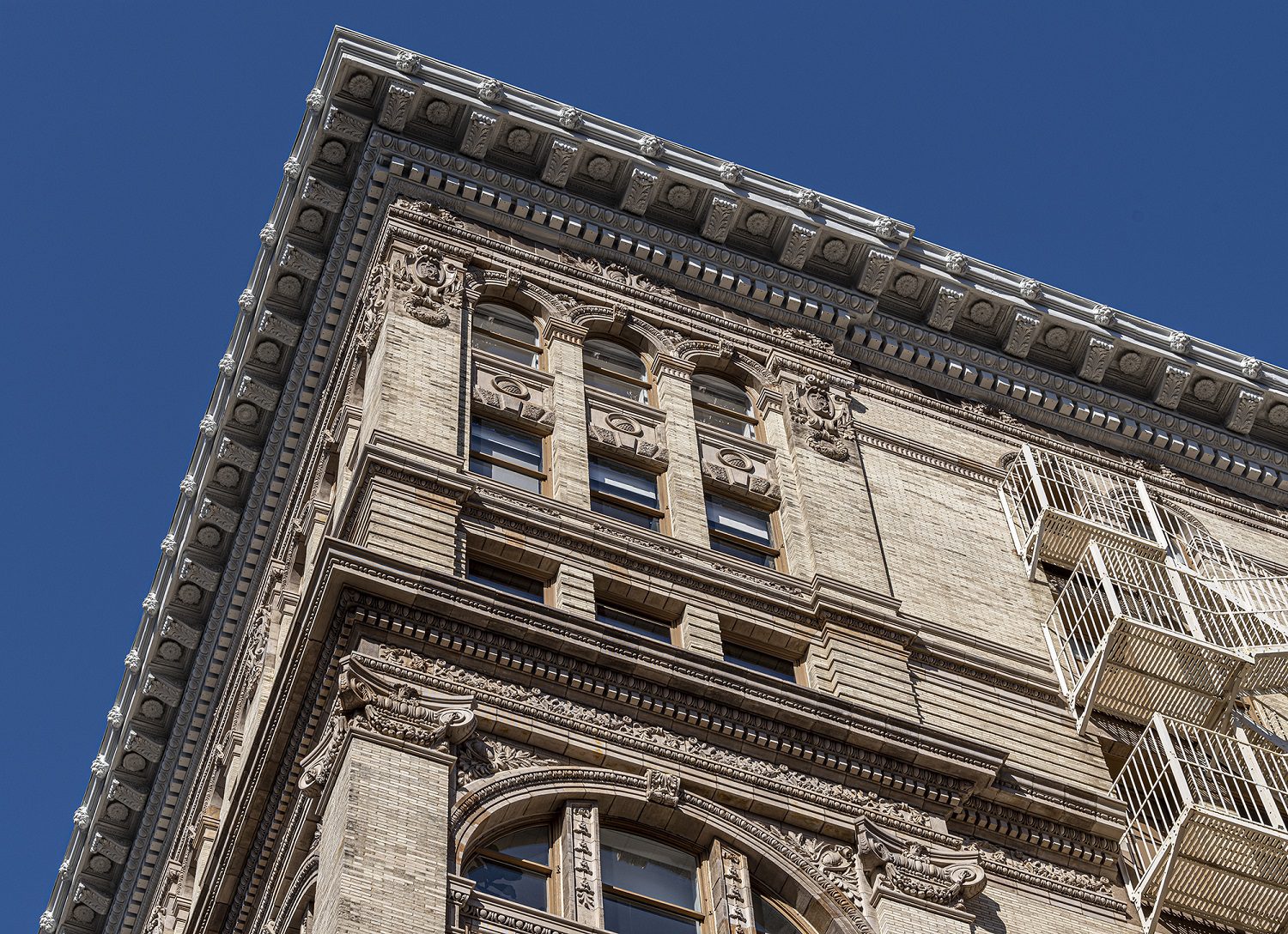
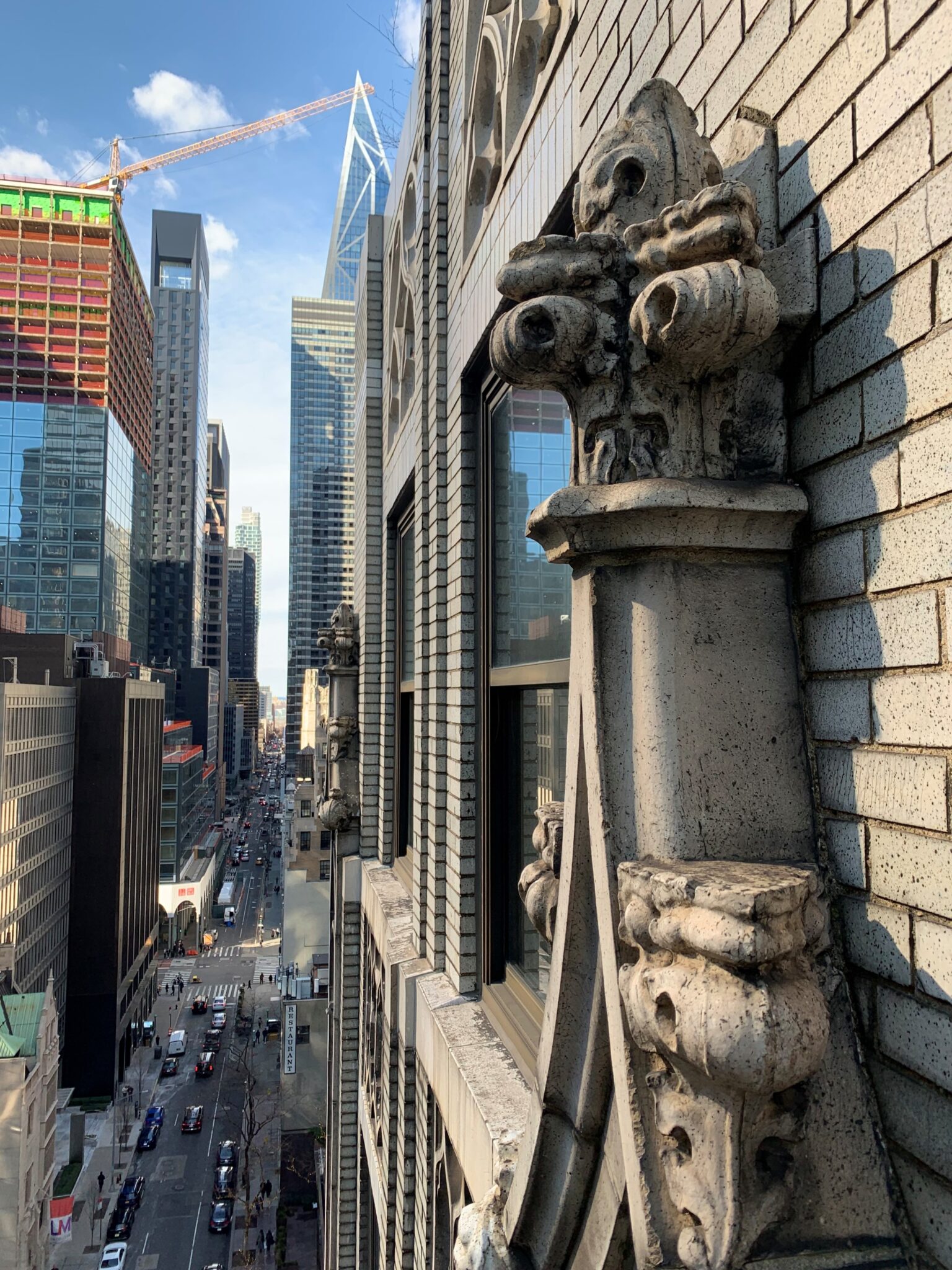
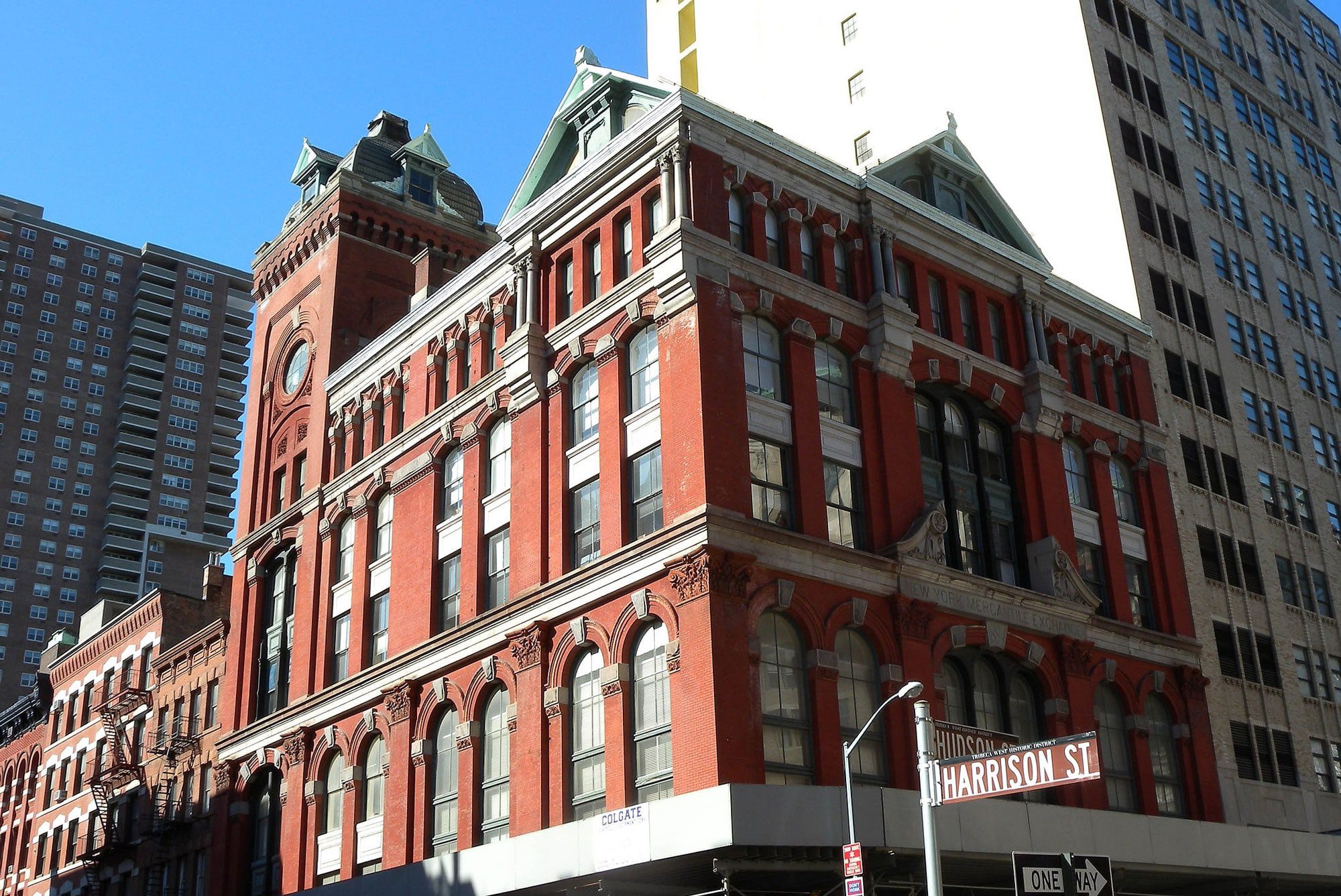
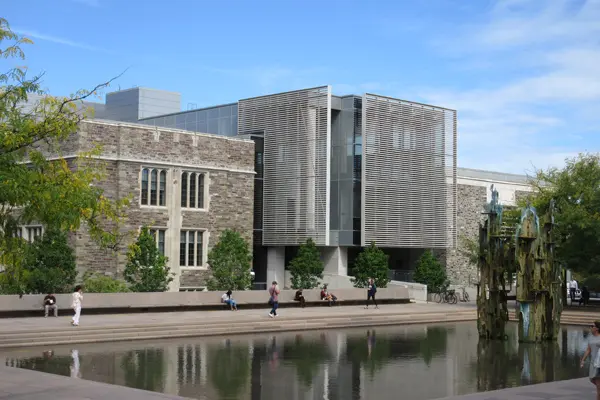
For restoration and historic preservation work, our approach goes beyond the physical, recognizing that existing structures carry individual stories and architectural imprints worth preserving. Our techniques are rooted in traditional building systems while leveraging today’s advanced technology to address complex documentation and maintenance challenges, evaluate existing materials, and prolong building life. Our team is well versed in Local Law 11, DOB protocol, Landmarks Preservation requirements, and the corresponding approvals process.
Full site monitoring services include inspection of all facade-related curtain wall installation, waterproofing, roofing, and exterior sealant application. Inspections verify compliance with approved drawings, specifications, and best industry practice, including sign-off on the DOB TR-1 for facade. Site monitors report observations daily and issue correction and deficiency lists used by the General Contractor as part of their QA/QC program.
As a fully accredited Class 1 agency compliant with the International Accreditation Service (IAS), we perform Special Inspections across the following categories: Wall Panels, Curtain Walls, and Veneers; Exterior Insulation Finish Systems (EIFS); Detailed Welding; Post-Installed Anchors; and Masonry Construction, meeting the Special Inspection requirements mandated by New York City’s building code for designated building components and systems.
By combining technical expertise with practical regulatory insight, we help teams identify potential challenges early, streamline approvals, and move projects forward with greater clarity and confidence.
Availability:
- Existing building
- National Coverage

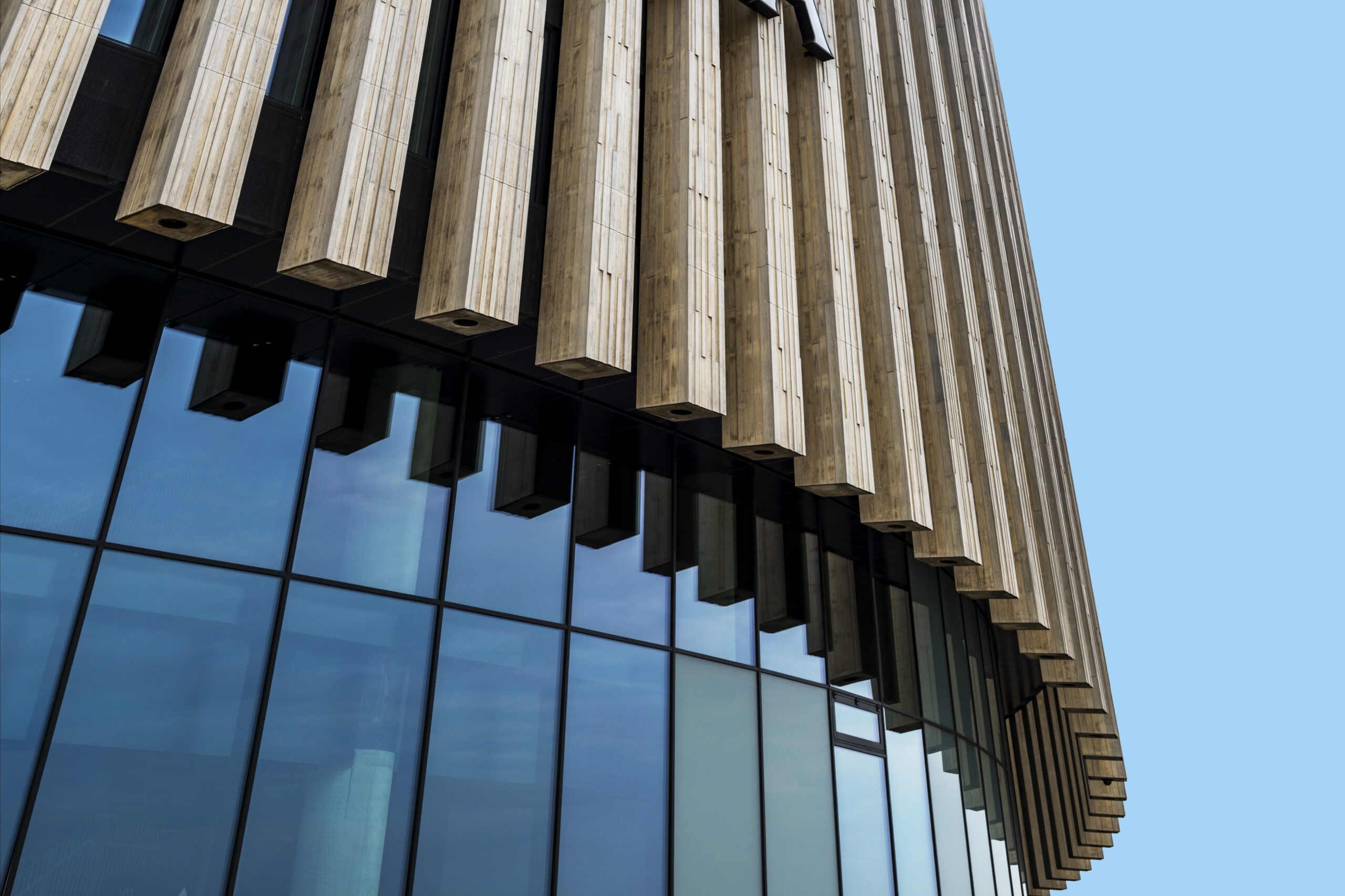
Optimized Facade Consulting for Compliance
A proactive, well-documented approach to facade consulting—whether for an existing building restoration, recladding project, or new construction initiative—helps identify potential challenges early, streamline approvals, and minimize compliance risks throughout the project lifecycle. This approach supports more efficient project execution, reduces costly surprises, and helps keep projects on schedule and aligned with long-term building performance goals.
Still have questions about Facade Consulting?
What does a facade consultant do?
A facade consultant evaluates exterior building systems for code compliance, durability, and constructability while coordinating with architects and engineers to align facade strategies with zoning, building codes, and energy requirements. They help owners and development teams avoid costly redesigns, streamline approvals, and reduce compliance risks throughout construction.
When should I hire a facade consultant for my building project?
Involve a facade consultant during pre-design or schematic design phases—before material selections and system details are finalized. Early engagement identifies code requirements, constructability issues, and budget implications upfront, preventing approval delays and expensive change orders later.
What building codes apply to facade consulting?
Facade consulting must comply with building codes (IBC or local codes), energy codes, zoning ordinances, fire codes, and jurisdiction-specific facade safety laws like Local Law 11/FISP in NYC. Additionally, historic district requirements and accessibility standards may apply depending on location and building type.
Which facade materials require special design considerations?
Curtain walls, terra cotta, masonry assemblies, cavity walls, glass facades, metal panels, and green roofs each have unique code requirements, performance criteria, and installation specifications. Proper design and detailing prevent water infiltration, structural failures, and regulatory compliance issues.
How does facade consulting affect permitting and construction costs?
Code-compliant facade consulting accelerates permit approvals by reducing review cycles and resubmissions, while strategic material selection and detailing prevent expensive change orders during construction. Proactive facade consulting typically reduces total project costs by 5-15% compared to addressing problems reactively.