


The 2022 NYC Construction Codes took effect on November 7, 2022, and renumbered many NYC DOB special inspections. Fire-resistant penetrations and joints now fall under Building Code (BC) Section 1705.17, replacing the former Section 1704.27. Additionally, your filings must match the code version tied to your construction document approval date.
Meanwhile, agencies must register separately for any inspection types that are new under the 2022 code. Consequently, you should confirm your agency holds current registration and accreditation before work begins. An outdated credential can undermine inspection results and trigger costly reinspection of concealed firestop assemblies.
How Do NYC DOB Special Inspections Affect Firestop Signoffs Under the 2022 Code?
The 2022 code requires a registered Special Inspection Agency to verify firestop penetrations and joints under BC 1705.17. Your inspector must observe installations before walls close, then sign off each item on the Technical Report (TR1). Without that TR1 signoff, the DOB cannot issue your TCO or final Certificate of Occupancy.
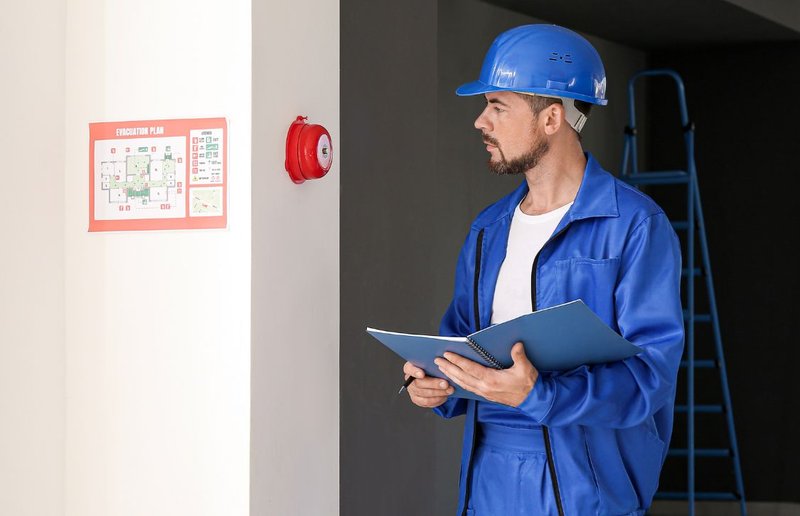
Fire and life safety work follows similar logic when you are managing fire alarm testing timelines alongside other trades. Firestops share those sequencing principles, since both trades penetrate the same rated walls and floors.
Above all, you must plan inspections around your construction sequence rather than treating them as closeout tasks. Scheduling NYC DOB special inspections in phases keeps inspectors ahead of drywall, ceilings, and shaft enclosures. As a result, you avoid destructive testing and protect your path to a timely TCO.
Building Your Special Inspections List for Firestop Signoffs
A complete NYC special inspections list gives your team one shared record of every required firestop checkpoint. Your design professional identifies required items on the TR1 during plan approval, before the permit issues. From there, you can build a tracking list around the following firestop milestones.
- Confirm tested and listed firestop systems match every penetration and joint type shown on your drawings.
- Schedule inspections floor by floor, so inspectors can review installations before ceilings and shafts close.
- Document field changes right away, since unlisted conditions need manufacturer engineering judgments before inspection.
- Collect signed inspection reports from your agency and submit TR1 signoffs well before your TCO request.
Moreover, a shared list lets your contractor, architect, and inspector flag gaps before they become violations. Clear coordination also helps you sidestep the municipal bottlenecks in NYC building permits that often stall approvals.

In addition, existing buildings present unique challenges, since legacy assemblies rarely match modern tested systems. Planning NYC DOB special inspections early helps you resolve those conditions during design instead of during closeout. Older properties often require you to balance historic preservation with NYC sustainability rules as your project moves forward.
Keep Your NYC DOB Special Inspections on Track With Milrose
Firestop compliance under the 2022 code rewards you when you plan inspections alongside construction. Clear lists, current agency credentials, and timely TR1 signoffs keep your TCO request moving forward. Milrose supports you across the full building lifecycle, from code consulting through special inspections and final signoff.
Our professionals coordinate design review, inspection scheduling, and DOB filings so nothing falls between consultants. You gain fewer handoffs, faster answers, and a cleaner record when your TCO review arrives. Contact our special inspections team today to map out a firestop plan that protects your schedule.